Lievito Madre Stiff Sourdough Starter
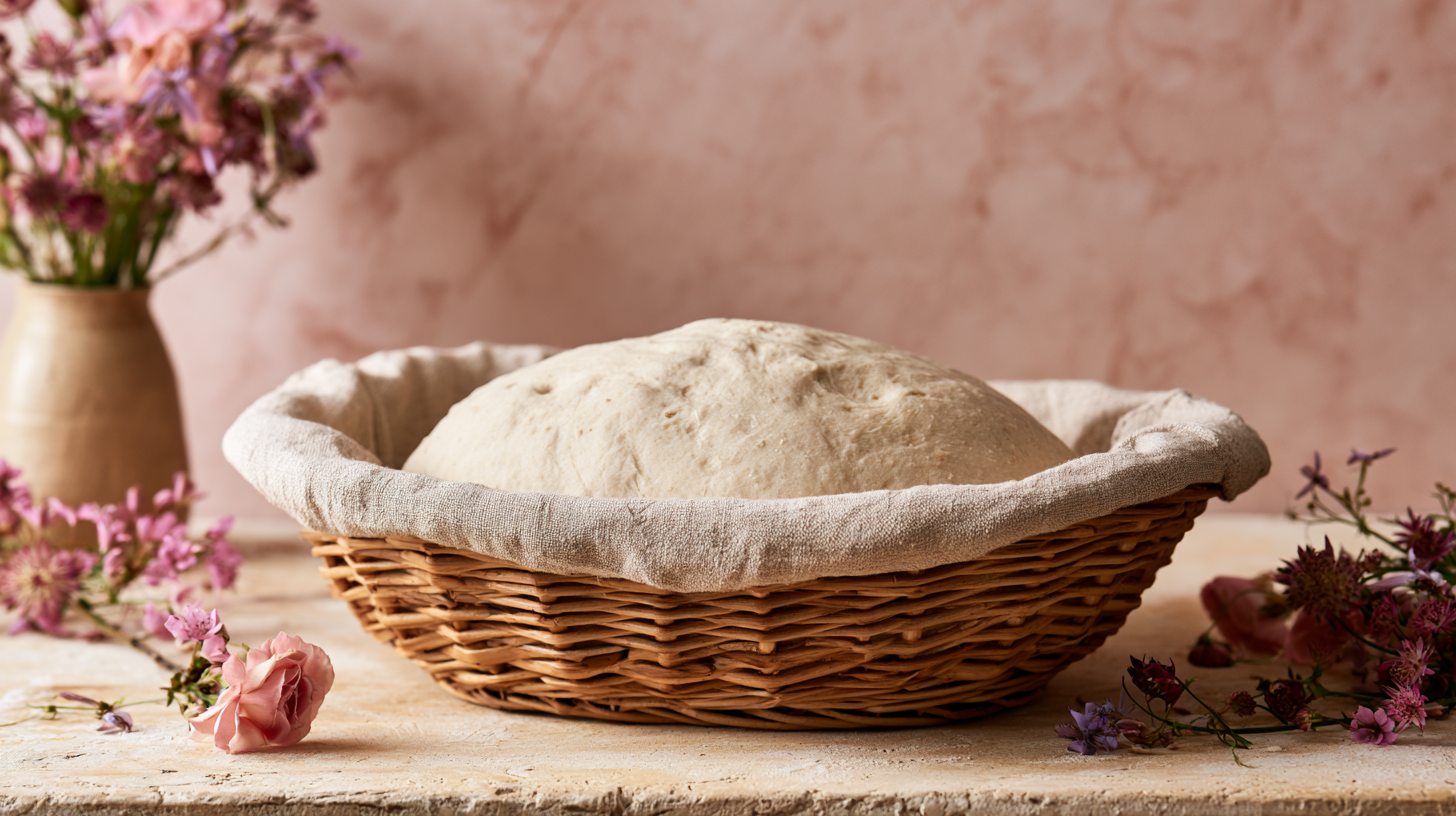
The Bread Nobody Taught Me
My people on my mother’s side are from Bristol. Blakes and Woodwards, going back further than anyone bothered to write down properly, in and out of the same few parishes for three hundred years. Bakers were not among them as far as I can tell. What I inherited was a place rather than a trade, and a handful of things that get made in that place without anyone quite explaining why.
Sally Lunn buns were one of them. If you have not had one, it is an enriched bun roughly the size of a small hat, from Bath, twelve miles down the road from where my family kept turning up in the parish records, and four thousand miles from the kitchen I am standing in now. Soft, faintly sweet, closer to brioche than to bread. My grandmother did not make them and neither did hers, as far as I know. But I have eaten one warm in a low stone room in Bath with butter running off the edge, and when I started keeping a sourdough starter I thought, well, obviously, I will make those.
I could not make those. I tried for the better part of a year. Every batch came out heavy and faintly sour, the crumb tight where it should have been open, the butter and sugar dragging the whole thing down into something dense and disappointing. It took me an embarrassingly long time to work out that the problem was not the recipe. It was the jar on my counter.
Half the Water
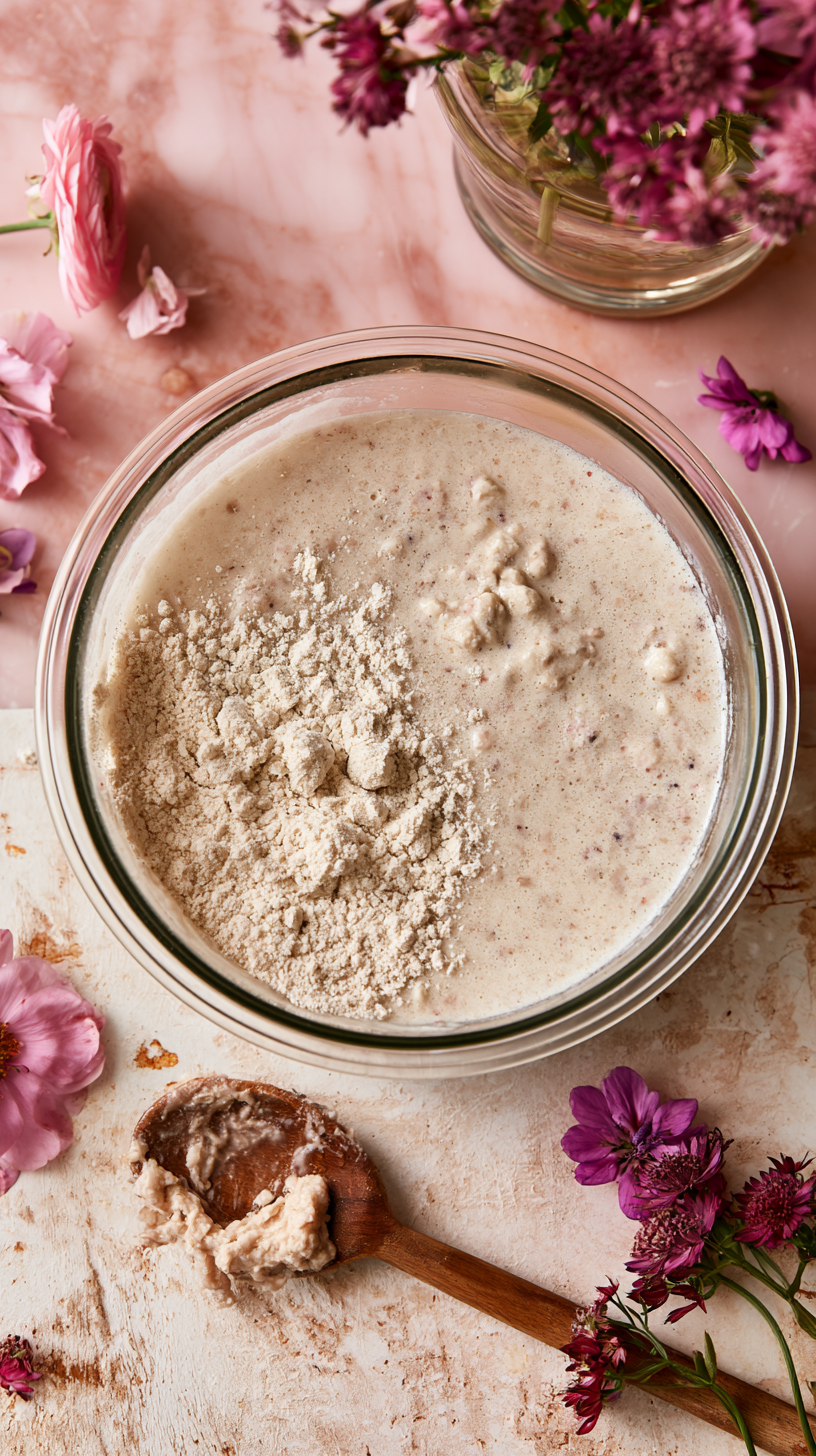
The fix is so simple that I did not believe it. Fifty grams of starter, fifty grams of water, one hundred grams of flour. A ratio of 1:1:2, which comes out to fifty percent hydration, exactly half the water I had been giving it. That is the whole conversion. No new culture, no special flour, nothing ordered from anywhere. You give it less water and you wait.
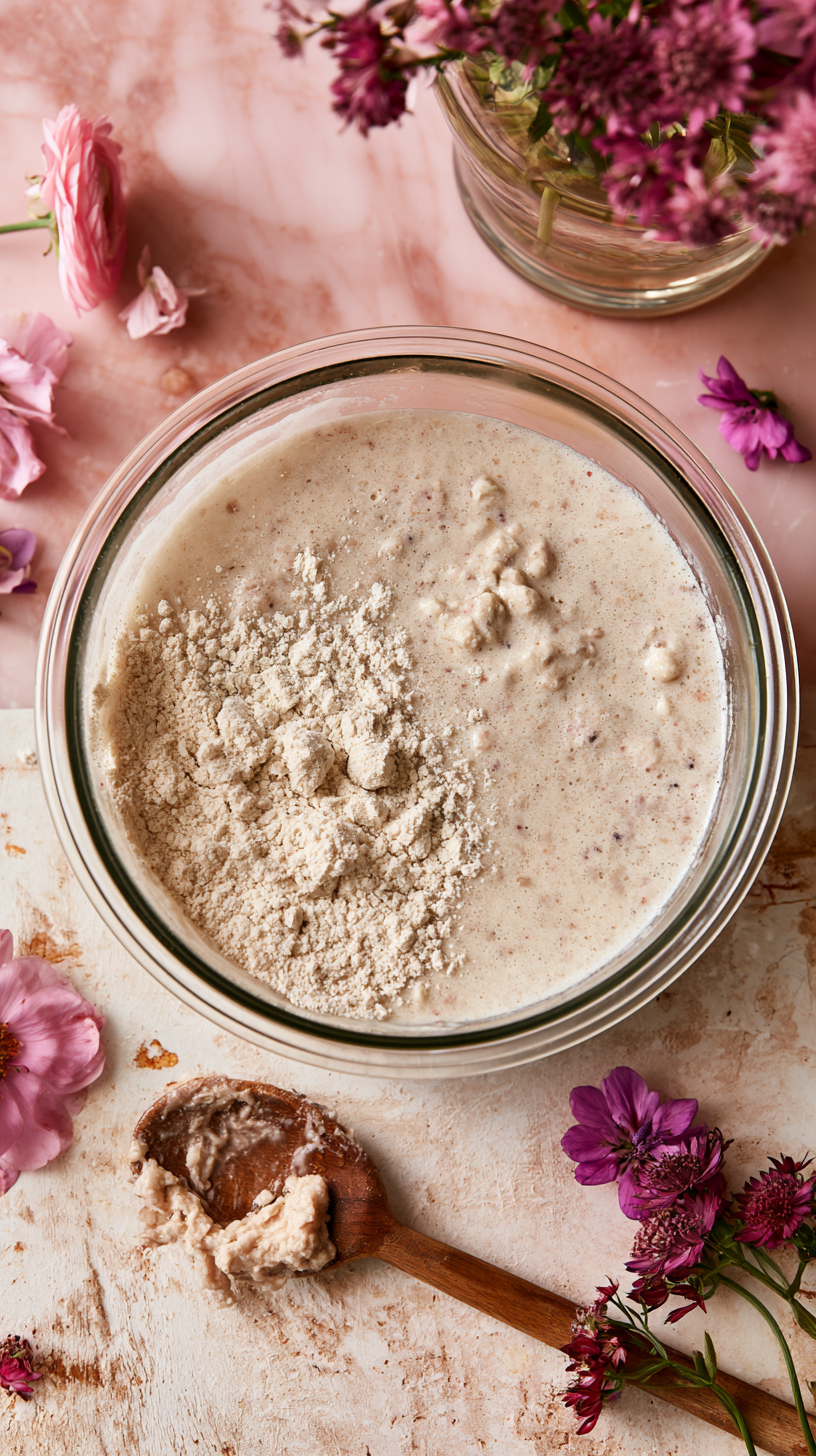
Knowing that did not make the first feed feel any less like a mistake. I stirred the starter into the water and it went loose and milky and familiar, and then the flour went in and everything went wrong. It would not come together. It sat in dry crumbs and stubborn lumps and I stood there with flour up my wrists, certain I had misread my own handwriting. Every instinct I had built told me to add water. I had to walk away from the sink on purpose.
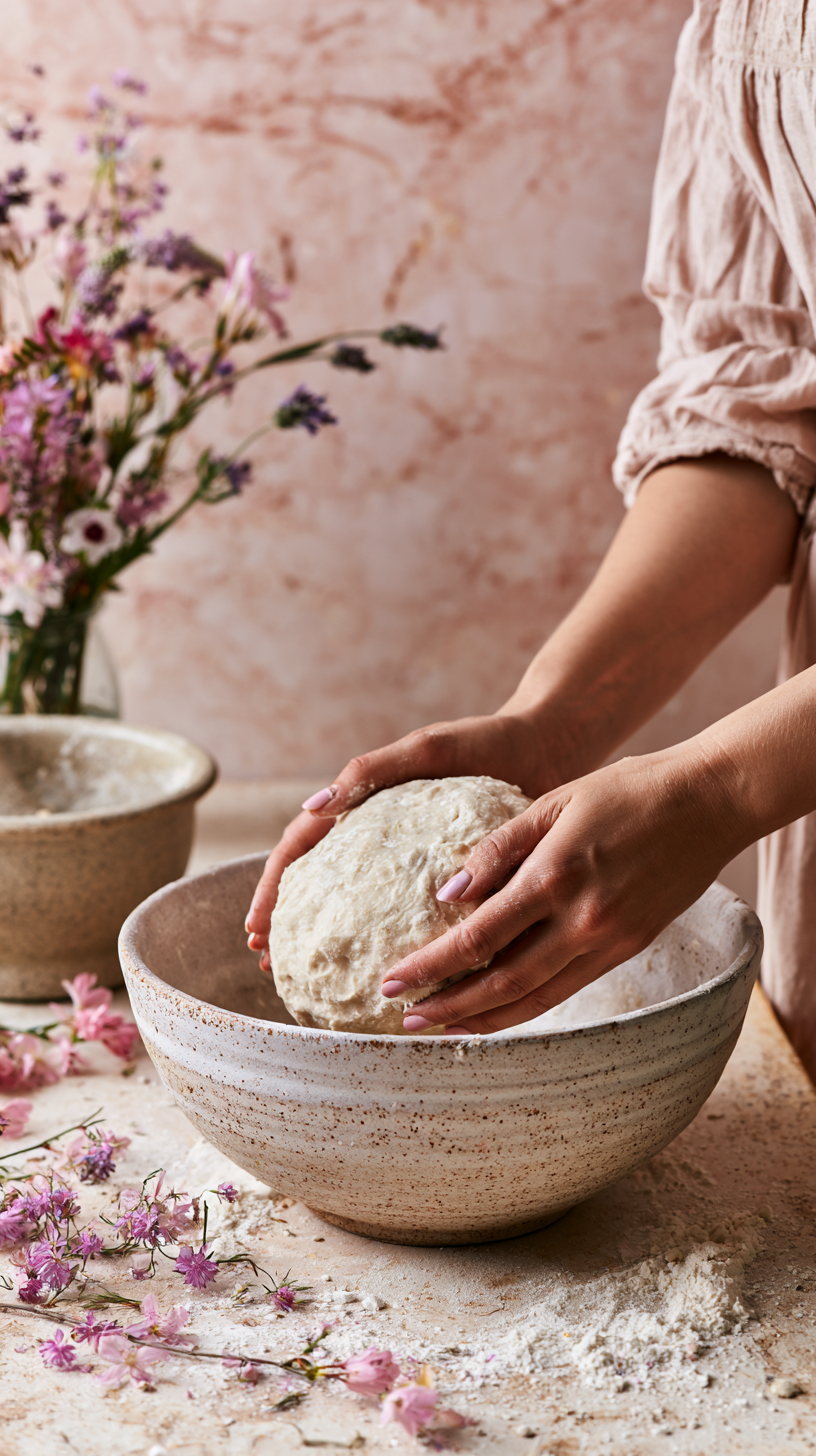
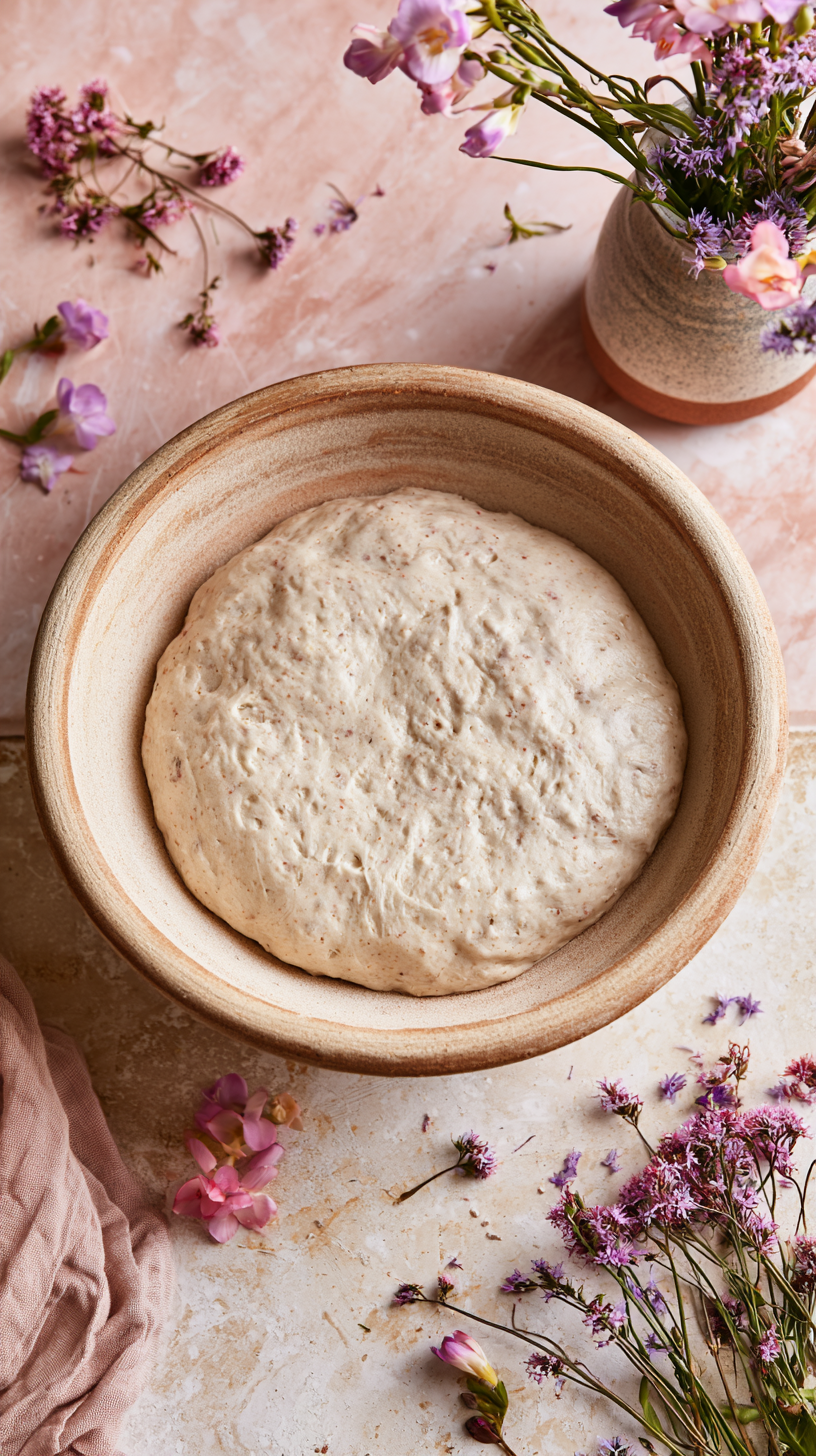
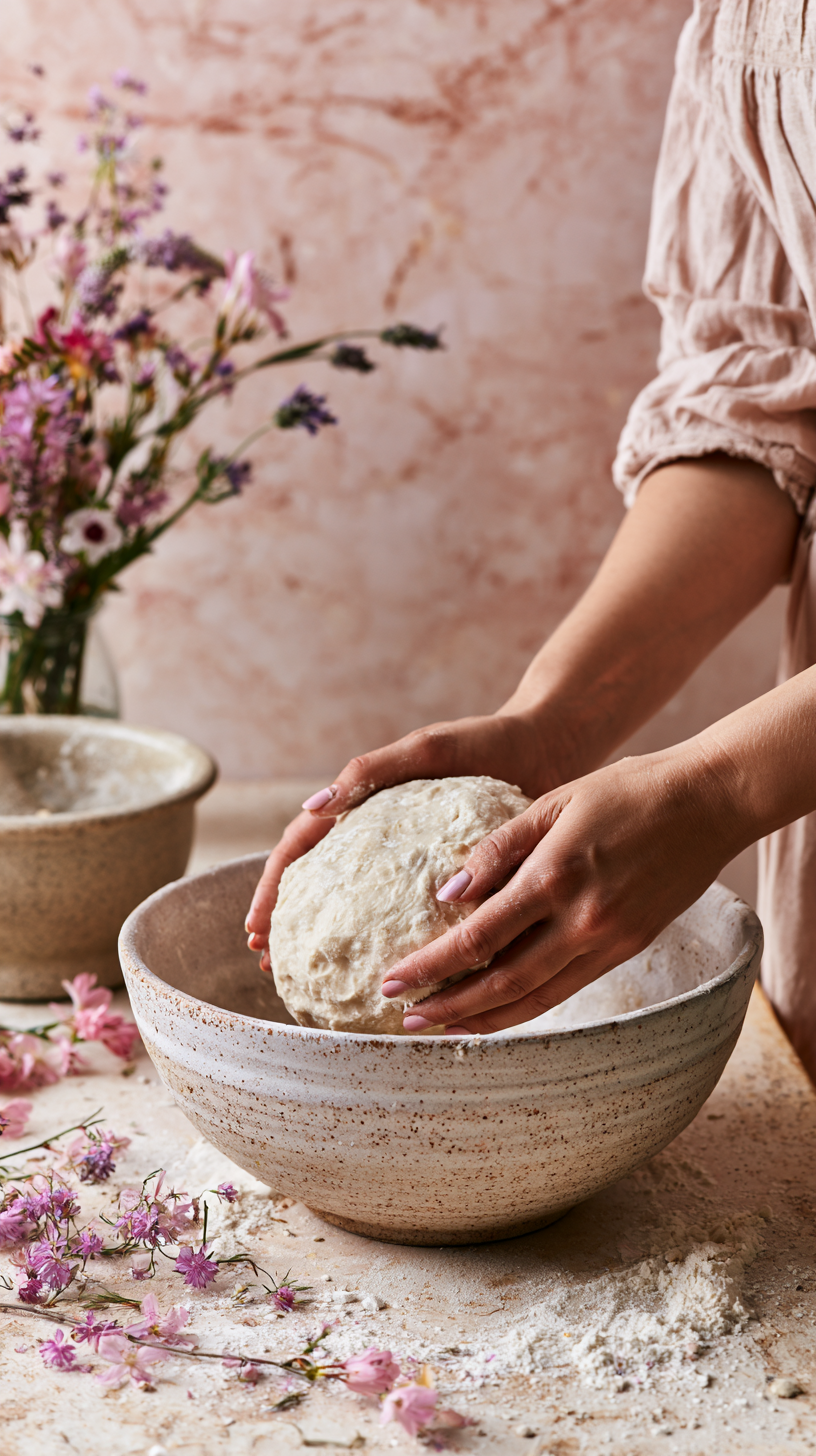
So I tipped it onto the counter and kneaded it, which felt ridiculous, kneading a starter as though it were bread. But after three or four minutes the crumbs found each other. It tightened into a ball with the texture of pasta dough, cool and smooth and firm enough to hold a thumbprint. I turned it over in my hands and thought it looked like something made on purpose, rather than something kept alive in a jar and hoped for the best about.
The Cross on Top
You can cut a cross into a lievito madre before you leave it to rise. Deep, with a sharp knife, two clean strokes.
I laughed the first time I read that, because of course you do. I grew up on hot cross buns, on that same mark cut or piped into the top of something enriched and slow and eaten on one particular morning of the year. Different country, different reason, same knife. I do not think there is anything mystical in it. Two cuts is simply what a person does when they need a dough to open somewhere predictable.
It is also genuinely useful, which surprised me. A liquid starter tells you what it is doing by climbing the sides of the jar, and I had got so used to reading that I had stopped noticing I was doing it. A stiff starter climbs slowly and unevenly and lies to you about its progress. The cross does not lie. It gapes.
That first rise took nearly eight hours and I checked it more often than I want to admit. The culture was adjusting to less water and it was, fairly enough, taking its time about it. But the cross opened. Slowly, a little grudgingly, and then all at once, and by evening the ball had domed and split and doubled, and I fed it again and started the waiting over.
The Third Morning
By the third feed it had become a different thing entirely.
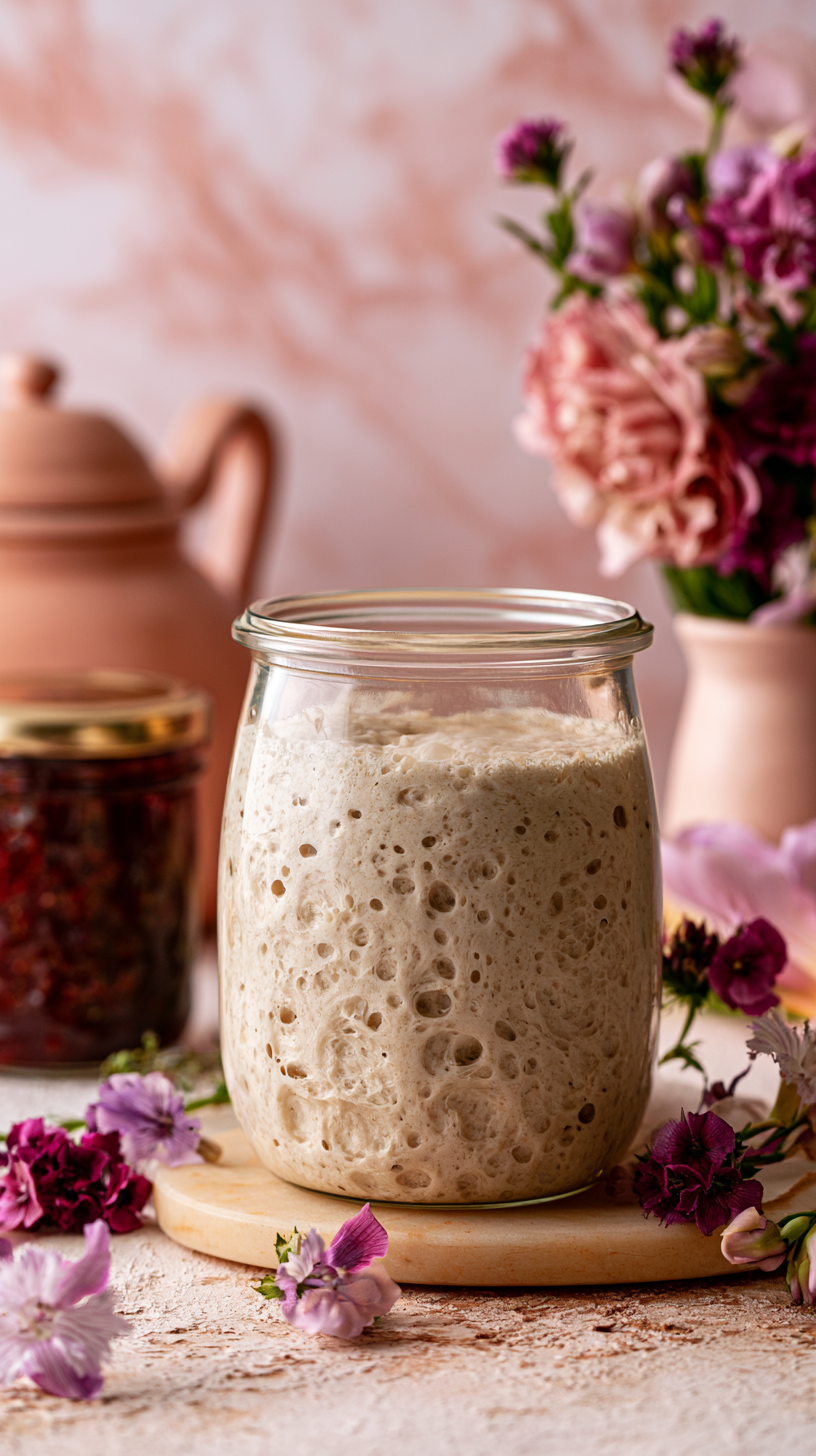
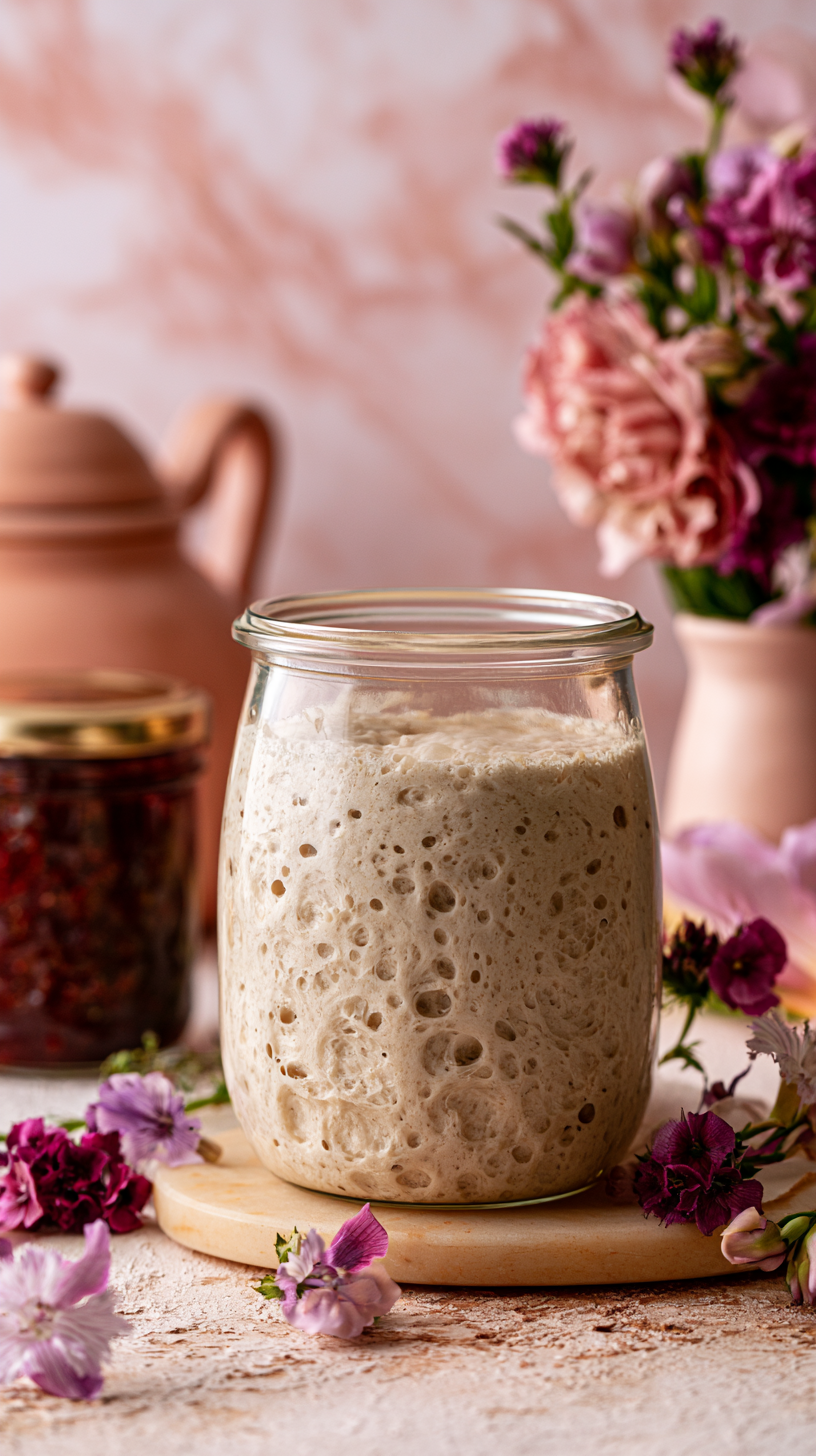
It doubled in four hours instead of eight. When I tore the ball open the inside was a honeycomb, dozens of small even holes threaded all the way through, like the crumb of a loaf that had already been baked. And the smell had changed completely. My old starter smells sharp, a little like vinegar and a little like beer, the smell of a kitchen that has been working. This one smelled sweet. Milky and yeasty and faintly of yogurt, closer to warm dough than to anything fermented.
There is a reason for it and I could not leave it alone until I found out what. Less water shifts the balance of the culture toward lactic acid and away from acetic, so you lose the sour bite and keep the depth. That is exactly why stiff starters are the traditional ones for heavy enriched doughs everywhere they turn up, from panettone in Milan to the sweet buns I had been failing at all year. A sour starter fights butter and sugar. A stiff one lifts them and gets out of the way.
The buns worked. Not the first batch, but the third came out tall and pale gold and soft the whole way through, and I ate one standing at the counter with butter running off the edge. It was the wrong kitchen on the wrong continent and it tasted like the right one.
The Shelf They Share
I keep both jars now, side by side on the same shelf, fed on the same mornings.
I could not bring myself to convert the original one over. It has years in it and a particular sourness my loaves would miss, and something in me refused to turn it into a different thing simply because I had found a use for a different thing. So the liquid starter does the bread and the lievito madre does everything enriched, the buns and the brioche and the sweet rolls that want lift instead of tang, and neither of them seems to mind the arrangement.
If you already keep a starter, you are three feeds away from having both. That is all it is. Some flour, half the water you are used to, a warm spot on the counter, and the patience to sit through a first rise that will make you certain you have ruined it.
You have not ruined it. It is only working out what you want from it now.
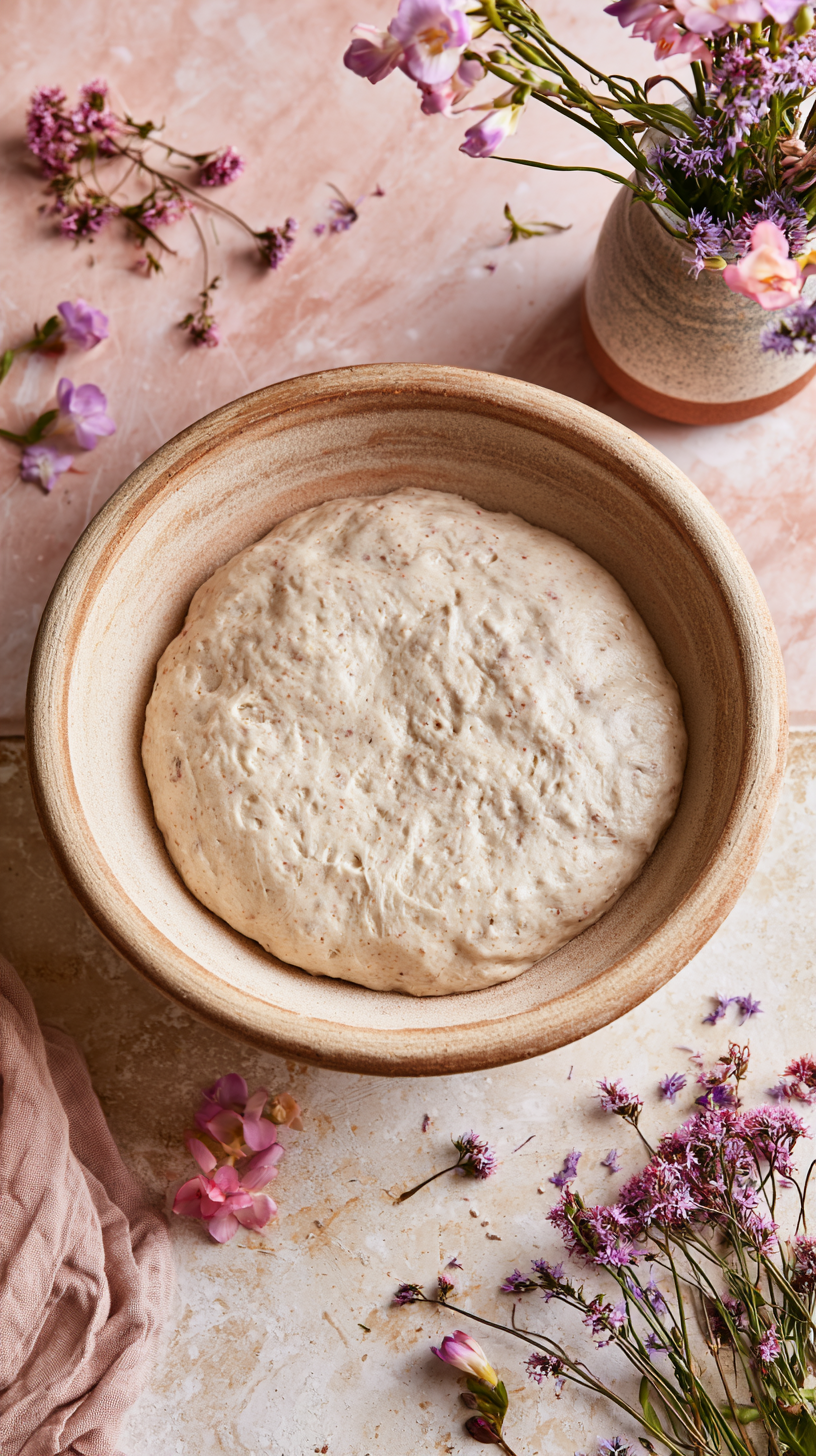

Lievito Madre Stiff Sourdough Starter Recipe
Yield: 1 mother sourdough starter
Prep Time: 10 minutes
Fermentation Time: 4-8 hours
MOTHER STARTER
Ingredients
50 g active sourdough starter
50 g water, room temperature
100 g bread flour (12 to 14% protein)
Instructions
Start with an active starter: Feed your existing starter and wait until it is bubbly and at peak, usually 4 to 6 hours after feeding. Converting a sluggish starter will only give you a sluggish lievito madre.
Mix the first feed: In a small bowl, stir 50 g of the active starter into 50 g of water until it loosens and turns milky. Add 100 g of bread flour and mix with a spoon until no dry flour remains. It will look dry and crumbly compared to what you are used to, and that is correct.
Knead until smooth: Turn the dough onto a clean counter and knead for 3 to 4 minutes. It will start out shaggy and tighten into a firm, smooth ball, about the texture of pasta dough. Do not add extra water, even if it resists at first.
Shape and store: Roll the dough into a tight ball and place it in a straight sided jar. Cut a deep cross into the top with a sharp knife, which lets you read the rise clearly and helps the center expand evenly. Cover loosely and leave at warm room temperature (78 to 82 °F).
Watch the rise: The first feed will be slow, often 6 to 8 hours to double, because the culture is adjusting to less water. Then feed again 24 hours later using the same 50 : 50 : 100 ratio, discarding all but 50 g each time.
Repeat for three feeds: By the third feed the starter should double in 4 to 6 hours and smell sweet, yeasty, and faintly of yogurt rather than vinegar. When you tear it open it should show a fine honeycomb of even holes. That is your lievito madre.
Keep it going: Feed once a day at room temperature if you bake often, or refrigerate between bakes and feed twice a week. Bring it back with one or two feeds at room temperature before using it in a dough.
Baker’s Notes
A stiff starter is simply a 50% hydration culture, fed at a 1:1:2 ratio of starter, water, and flour. That single change in water is what shifts everything else.
The first feed will not land at a true 50% hydration. If your original starter was liquid, it carries 25 g of extra water into the mix, so the dough sits closer to 60% and feels tackier than expected. It tightens on its own by the second or third feed.
Bread flour matters here more than it does in a liquid starter. The lower water means gluten is doing the work of holding structure, and all purpose flour will give you a slacker, weaker madre.
A stiff starter ferments slower and leans lactic rather than acetic, so the flavor is milder and creamier with much less sour bite. That is exactly why it is the traditional culture for panettone, colomba, and other heavily enriched doughs.
Keep it warm. At 68 °F a stiff starter can crawl, taking twelve hours or more to double. Warmth is the single biggest lever you have on timing.
The cross cut on top is not decoration. It opens as the starter rises and gives you a clear visual read on how far along it is.
Why You’ll Love It
If you have ever wanted a sourdough that smells sweet instead of sharp, this is the culture to keep. A lievito madre is firm, gentle, and quietly powerful, the kind of starter that lifts butter heavy doughs that a liquid starter would struggle with. It takes about three feeds to convert what you already have, no new flour blends and no starting from scratch. Tear one open after a good rise and you will see why bakers keep these going for decades.
FAQ
Do I have to throw away my liquid starter?
No. Keep a small amount of your original starter going in a separate jar while you convert, at least until the stiff one is rising reliably. Once the lievito madre doubles in 4 to 6 hours you can decide whether you want to keep both or commit to the stiff one.
Why is my stiff starter not rising?
Almost always temperature or an underactive parent starter. A stiff starter needs warmth, ideally 78 to 82 °F, and it needs at least three feeds to fully adjust. Give it time before assuming something is wrong.
Can I use all purpose flour instead of bread flour?
You can, but the starter will be softer and hold its shape less well. Bread flour gives the gluten strength that a low hydration culture depends on, and it makes the honeycomb structure much more visible.
How do I convert it back to a liquid starter?
Feed it at a 1:1:1 ratio for two or three feeds and it will loosen right back into a 100% hydration starter. Nothing about the conversion is permanent in either direction.
Can I store it in the fridge?
Yes. Feed it, let it rise for an hour or two at room temperature, then refrigerate. It keeps well for up to a week, though twice weekly feeding keeps it strongest. Always give it two room temperature feeds before baking with it.

More From the Kitchen


Share Your Bake
If you try this recipe, we would love to hear how it turned out. Leave a comment below to share your bake or tell us what you’re making next. Your feedback helps other home bakers, too.

This blueberry and currant crumble pie brings together sweet summer fruit and cozy autumn spice in every bite. A tender cottage cheese crust holds the jammy filling beneath a golden crumble, baked until bubbling and fragrant. Simple, warm, and quietly perfect.