Moist Pumpkin Bread
The Season That Slows Us Down
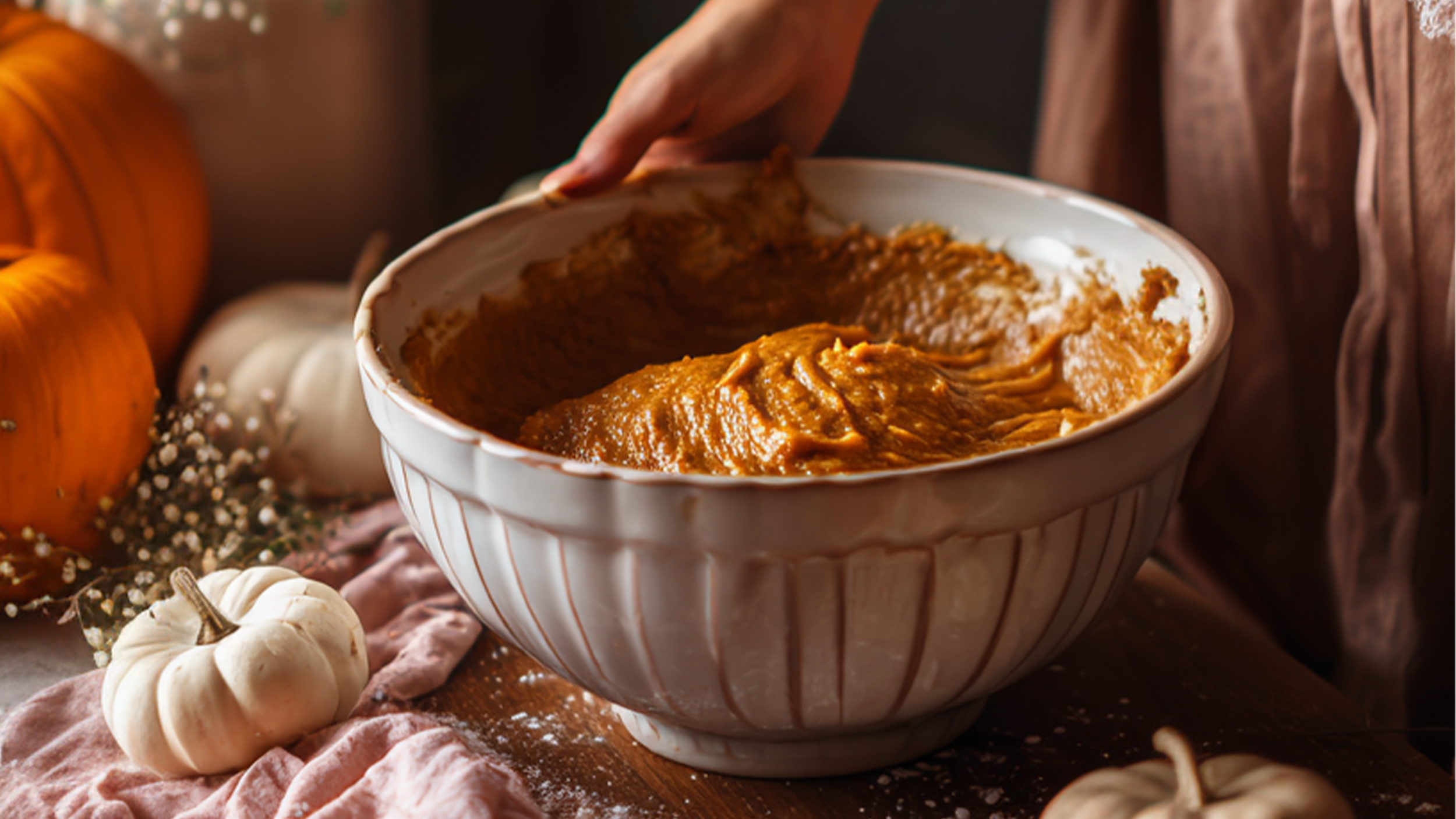
There’s something about a moist pumpkin bread recipe that feels like it belongs to the turning of a season. The mornings come slower now, the air a little thicker, and you move through the kitchen with the kind of ease that only happens when there’s nothing urgent to chase. The light through the curtains looks like gold that forgot it was meant to shine; it just rests, patient and quiet.
You line the pan, measure the flour, and stir the spices. The scent rises before the heat even reaches the oven, nutmeg, vanilla, cinnamon, and suddenly you remember every fall that’s ever passed through your hands. There’s peace in repetition. In knowing that this recipe, this motion, this rhythm of folding and waiting, has existed long before you and will exist long after. Some mornings don’t ask for productivity; they ask for stillness that smells like pumpkin and sugar, and that’s enough.
The House by the Field
There was a year I lived in a little house near the edge of a field. The walls were thin enough to hear the wind hum through them, and the floorboards gave a quiet sigh with every step. I didn’t have much furniture yet, just a table with one chair and a single mug that I washed and reused every morning. The days were long, but the evenings came early, folding the world into smallness.
That first autumn there, I started baking again. The pantry was nearly empty except for flour, oil, and a dented can of pumpkin. I followed a recipe written in faded ink, and though I’d made it a dozen times before, it felt like something new in that space. The smell drifted through the whole house, past the cracked door, and into the garden. I remember sitting on the porch steps, holding the warm loaf in a kitchen towel, watching the squirrel bounce over the grass. It wasn’t the best bread I’d ever made. But it was the first one that felt like mine.
The Things We Keep
Certain things follow us through every chapter: a wooden spoon, a chipped bowl, a notebook with stains from years of use. They become small witnesses to who we were. My spoon has a dark spot where I once left it too close to the stove; the bowl is slightly warped from a dishwasher that ran too hot. But when I pull them from the drawer, there’s comfort in their imperfection, a quiet proof that some things survive the wear.
Sometimes baking is how I mark time. I don’t keep journals anymore, but I remember the seasons through scent. The honeyed smell of oat cookies one spring, the sharp sugar of lemon cake that winter, the pumpkin bread in between, the one that taught me to slow down again. I think about how the oven light always looks the same, no matter where I live, how it glows like a promise, steady and forgiving, even when everything else keeps changing.
A Letter Never Sent
There’s someone I once meant to write to, a friend from a different life, from a time when things felt lighter. I never sent the letter, but sometimes, when I bake, I write it in my head.
I tell her that the world became softer than I expected. That I still keep her recipe card in a drawer, though I’ve changed it a dozen times. That I still hum that song she loved when the batter comes together and the house starts to smell like memory.
If she were here, I think she’d smile at how much sugar I use now. She always said life was better when things leaned sweet. Maybe that’s why I bake this bread again and again, not for perfection, but for the small mercy of sweetness repeating itself. For the reminder that even when people leave, the rituals they gave you stay.
The Morning After the Rain
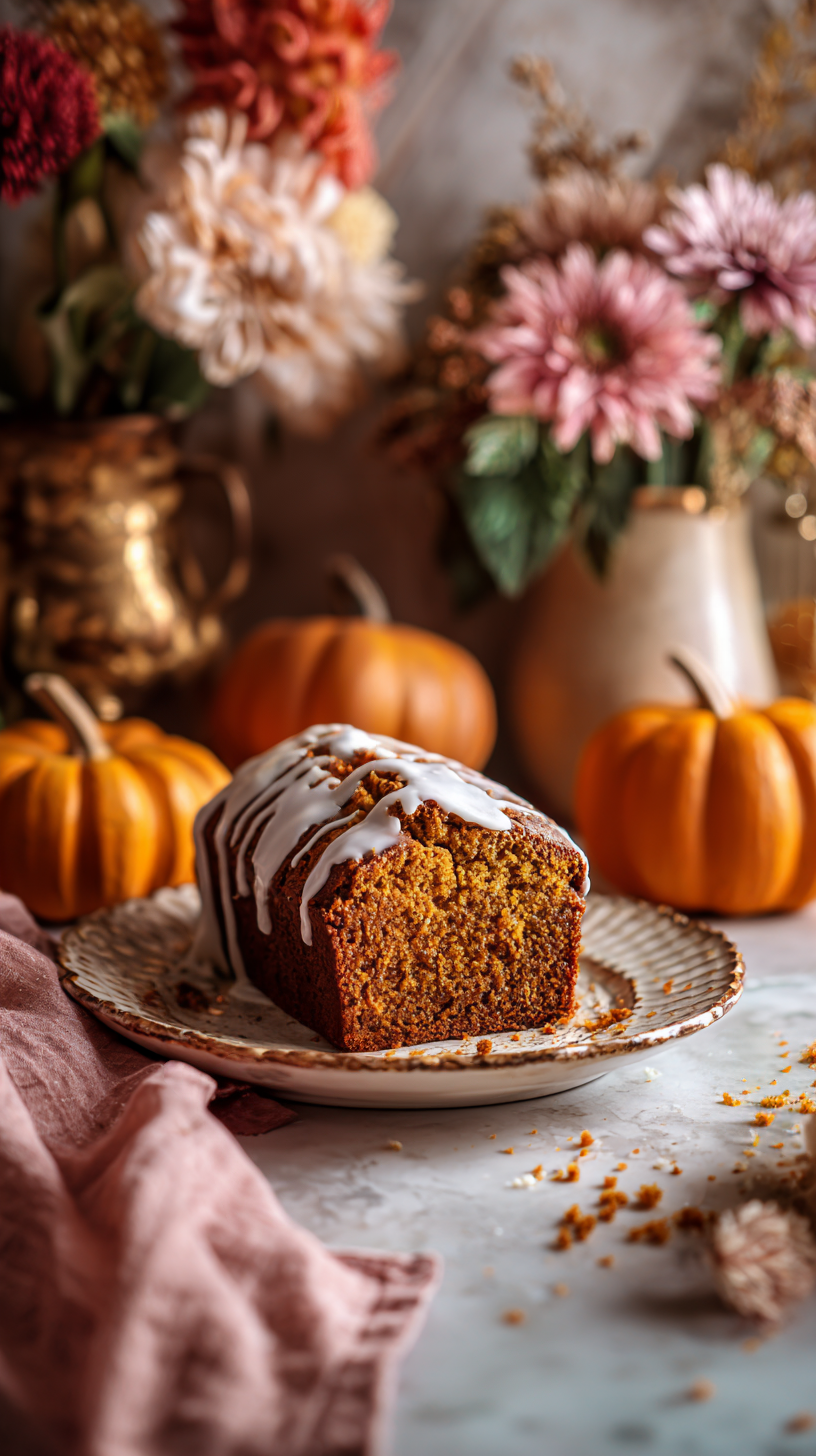
When the storm passed last week, the world looked washed, sidewalks dark, sky pale, air heavy with petrichor. I sliced the last piece of pumpkin bread and warmed it in the oven while the kettle came to a slow boil. Outside, birds began again. Inside, the kitchen smelled like a second chance.
There’s something sacred in leftovers, in the quiet continuation of comfort. The slice wasn’t as soft as yesterday, but it was sweeter somehow, the flavors settled, the crumb deeper. I spread butter and my favorite homemade jam on top and watched it disappear.
It made me think that maybe that’s what this whole ritual is, not about baking, but about staying. About returning to something gentle and familiar. About knowing that even as the seasons shift, there will always be warmth to return to, one loaf, one morning at a time.

Moist Pumpkin Bread Recipe
Yield: 2 (8.5x4.5 inch) loaf pans
Prep Time: 20 minutes
Bake Time: 60 minutes
Cool Time: 1 hour
Total Time: about 1 hour and 20 minutes
Calories: 407 per slice (based on 10 servings per loaf)
Ingredients
3 cups all-purpose flour
2 teaspoons baking soda
1 teaspoon baking powder
1¼ teaspoons fine sea salt
¾ cup granulated sugar
¾ cup light brown sugar
¾ cup olive oil
¼ cup melted butter
1 tablespoon unsulfered molasses
4 large eggs
1 can (15 oz / 454 g) unsweetened pumpkin purée
½ cup whole milk
¼ cup fresh orange juice
Zest of 1 orange
2 vanilla beans
Pumpkin Spice Blend:2 teaspoons ground cinnamon
½ teaspoon ground nutmeg
¾ teaspoon ground ginger
½ teaspoon ground cardamom
¼ teaspoon ground allspice
⅛ teaspoon ground cloves
Instructions
Preheat the oven: Set the oven to 350 °F (177 °C). Grease two 8.5x4.5-inch loaf pans, and line them with parchment paper if you’d like easy removal after baking.
Mix the dry ingredients: In a medium bowl, whisk together the flour, baking soda, baking powder, salt, and all the spices until evenly combined. Set aside.
Infuse the sugar with zest: In a large bowl, combine the granulated sugar, brown sugar, and orange zest. Use your fingertips to rub the zest into the sugar for about 30 seconds, until the mixture feels fragrant and slightly tinted.
Whisk the wet ingredients: Add the olive oil, melted butter, molasses, eggs, pumpkin purée, milk, orange juice, and vanilla bean seeds to the sugar mixture. Whisk until smooth, glossy, and thoroughly blended.
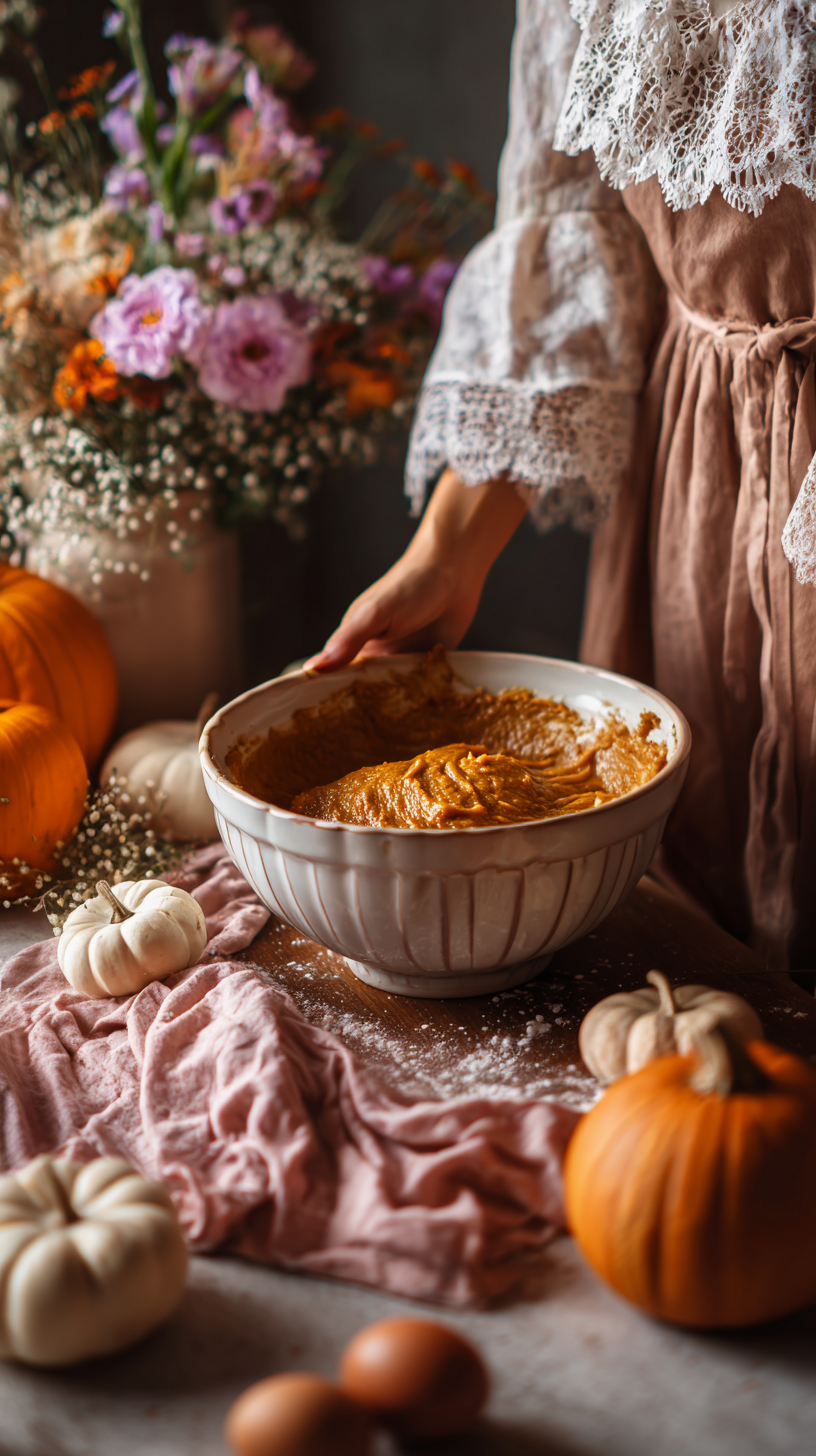
Combine the wet and dry mixtures: Add the dry ingredients to the wet ingredients. Use a spatula or wooden spoon to fold the mixture gently until no streaks of flour remain. The batter will be thick but pourable. Avoid overmixing for the most tender crumb.
Divide the batter: Pour equal amounts of batter into the prepared loaf pans.
Bake: Bake for 55–60 minutes, or until the tops are deep golden, domed, and a tester inserted in the center comes out clean.
Cool: Let the loaves cool in the pans for 15 minutes, then lift them out and transfer to a wire rack to cool completely before slicing.
Baker’s Notes
This moist pumpkin bread recipe stays soft for days thanks to olive oil, brown sugar, and pumpkin purée.
For best results, measure flour correctly using the spoon-and-level method to prevent dense or dry pumpkin bread.
Rubbing the orange zest into the sugar releases citrus oils and enhances the warm pumpkin spice flavor throughout the loaf.
Mix just until combined, as overmixing pumpkin bread batter can lead to a tough crumb.
Bake until the loaf is deep golden brown and a toothpick inserted in the center comes out clean; ovens vary, so begin checking around 55 minutes.
Allow the bread to cool completely before slicing—this helps the crumb set and keeps slices neat.
For variations, fold in toasted walnuts, pecans, or chocolate chips for added texture and flavor.
This homemade pumpkin bread can be stored at room temperature for 3 days, refrigerated for up to 1 week, or frozen for up to 2 months.
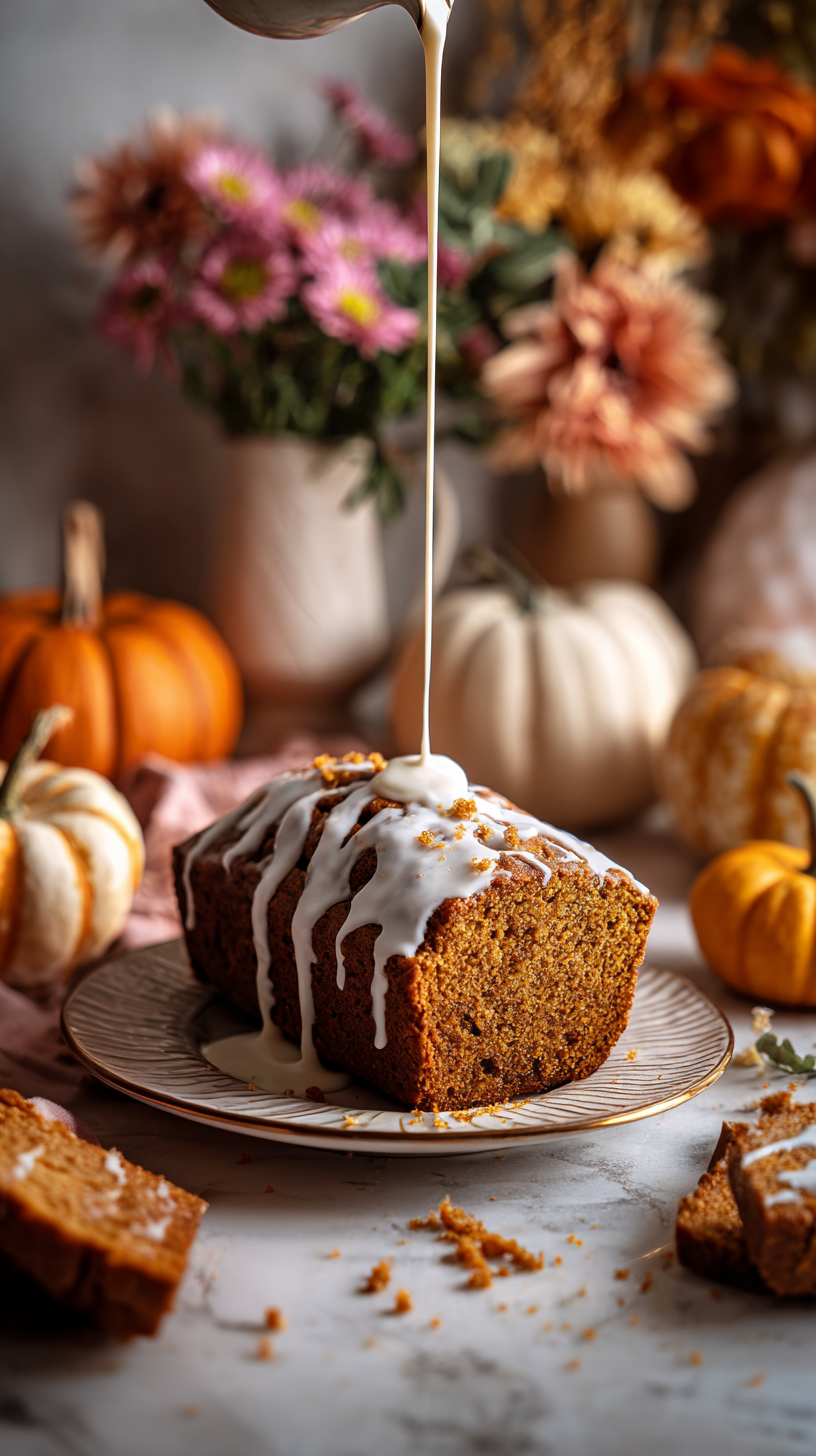
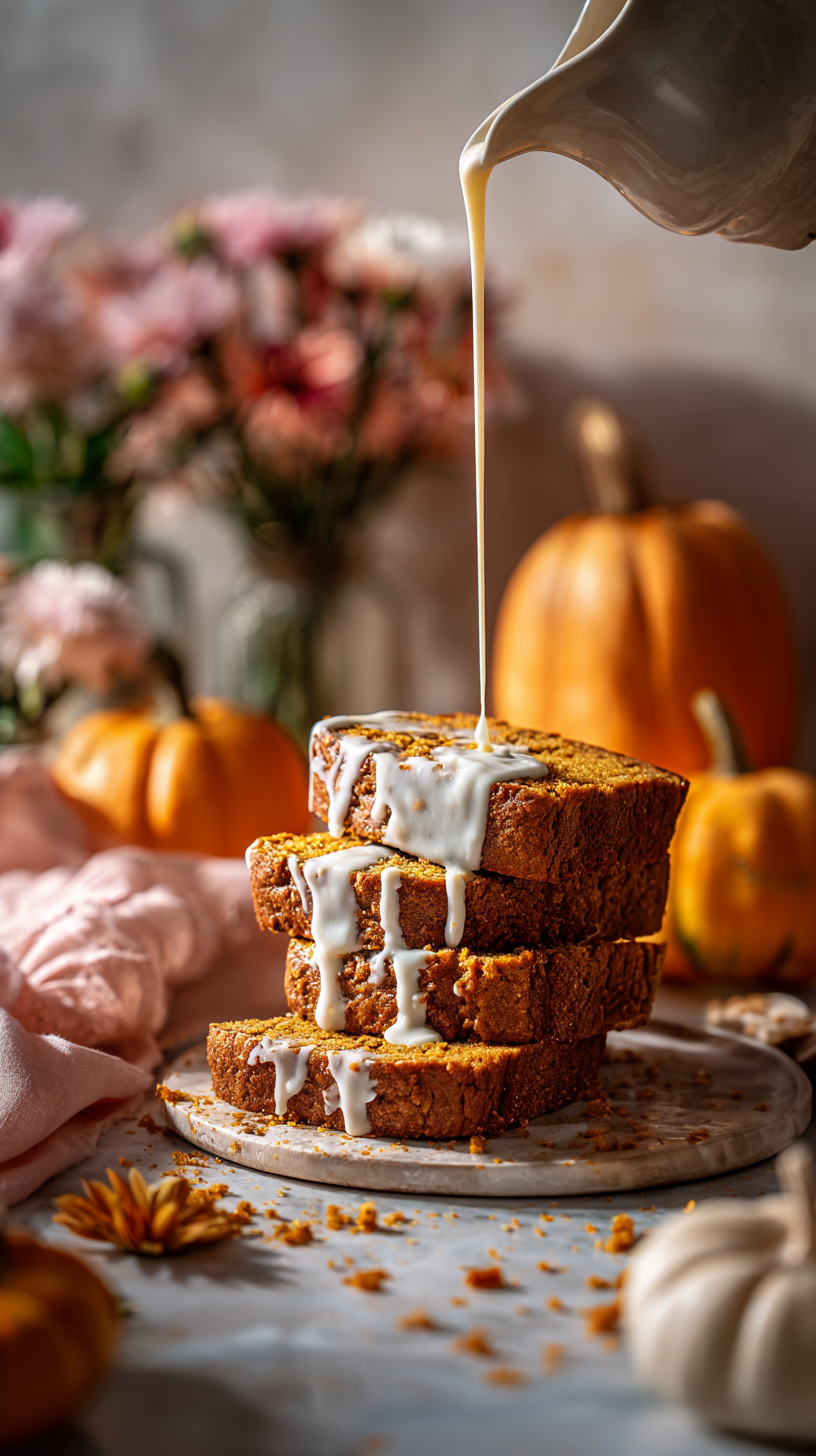
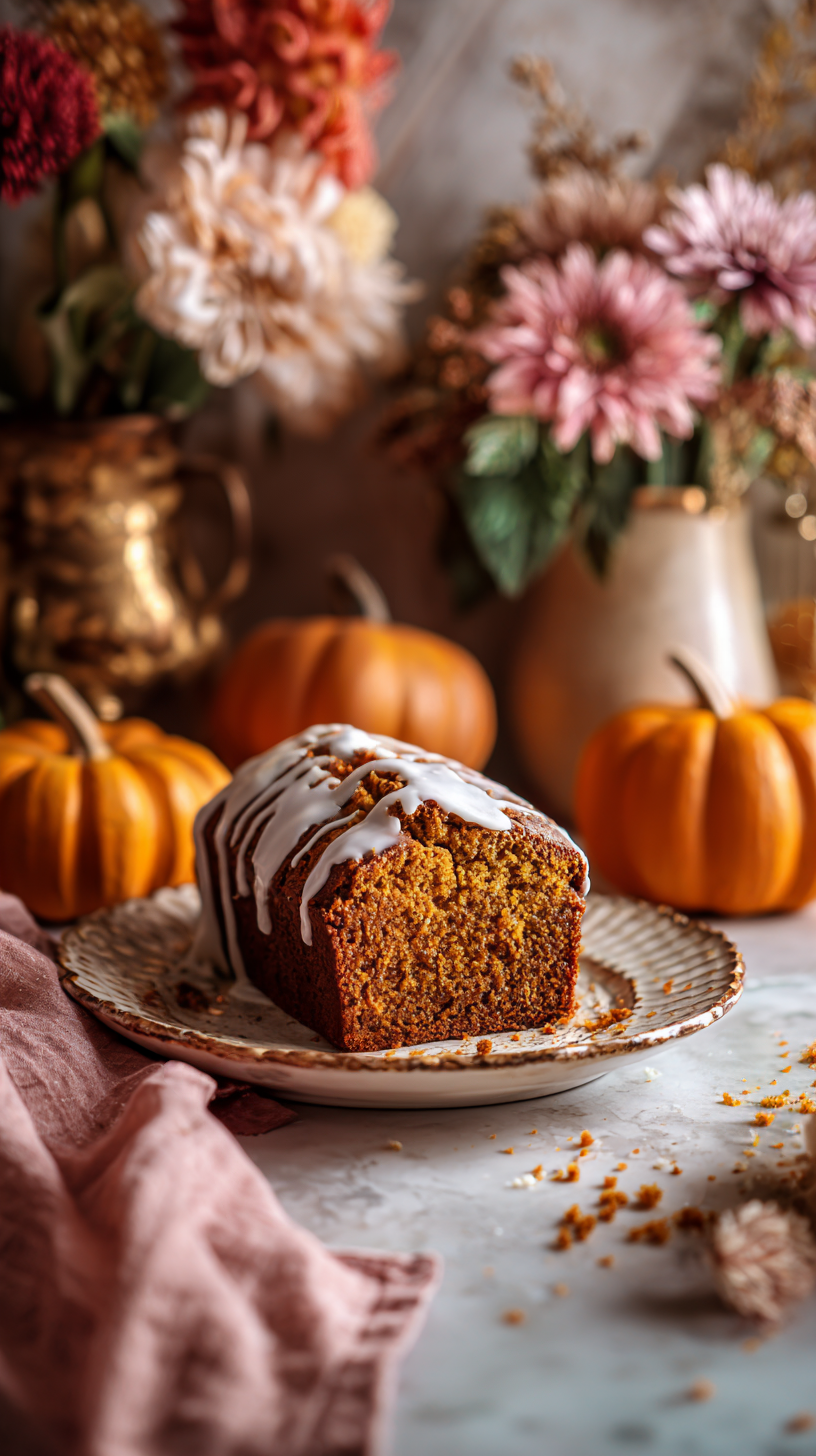
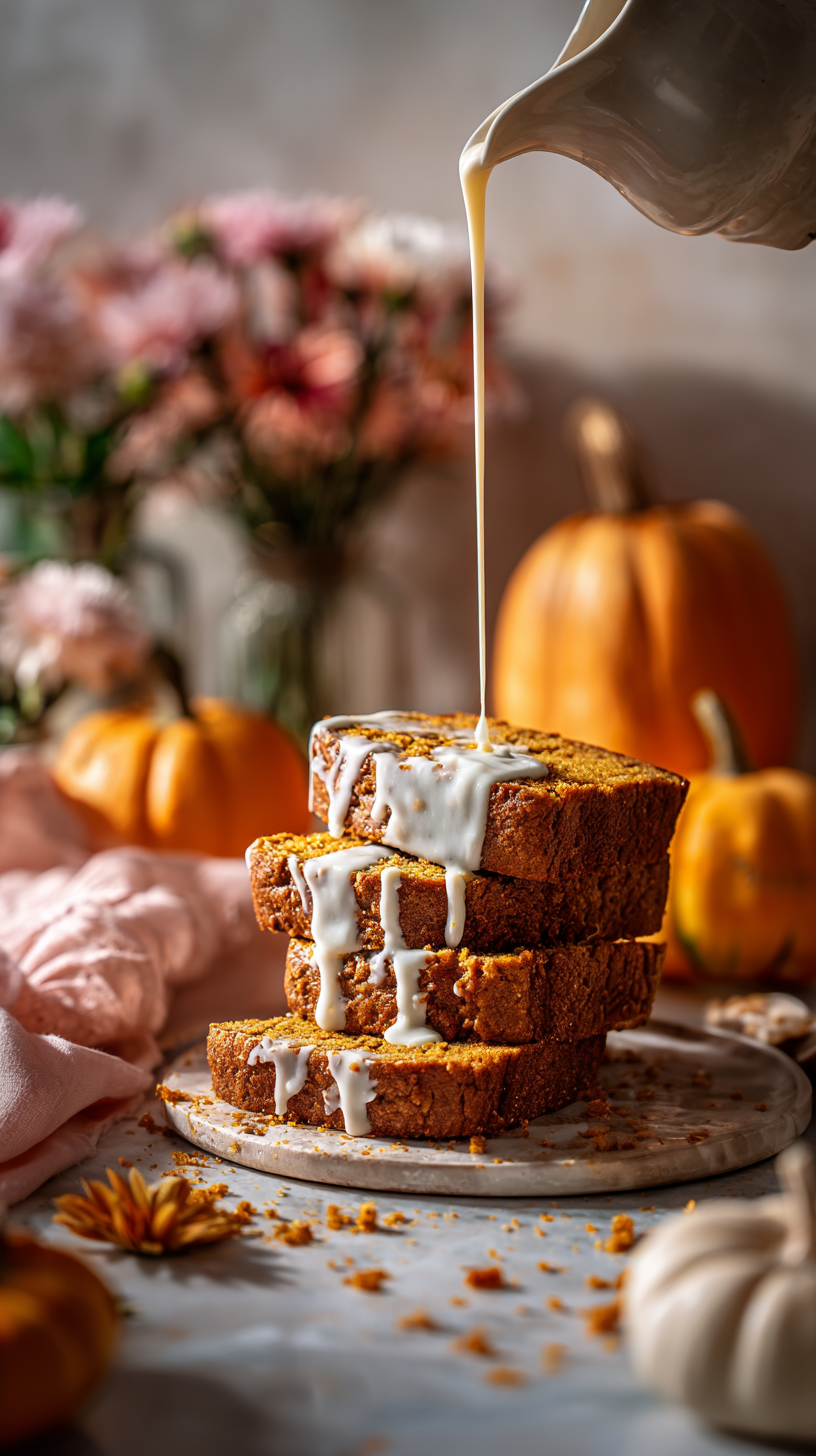
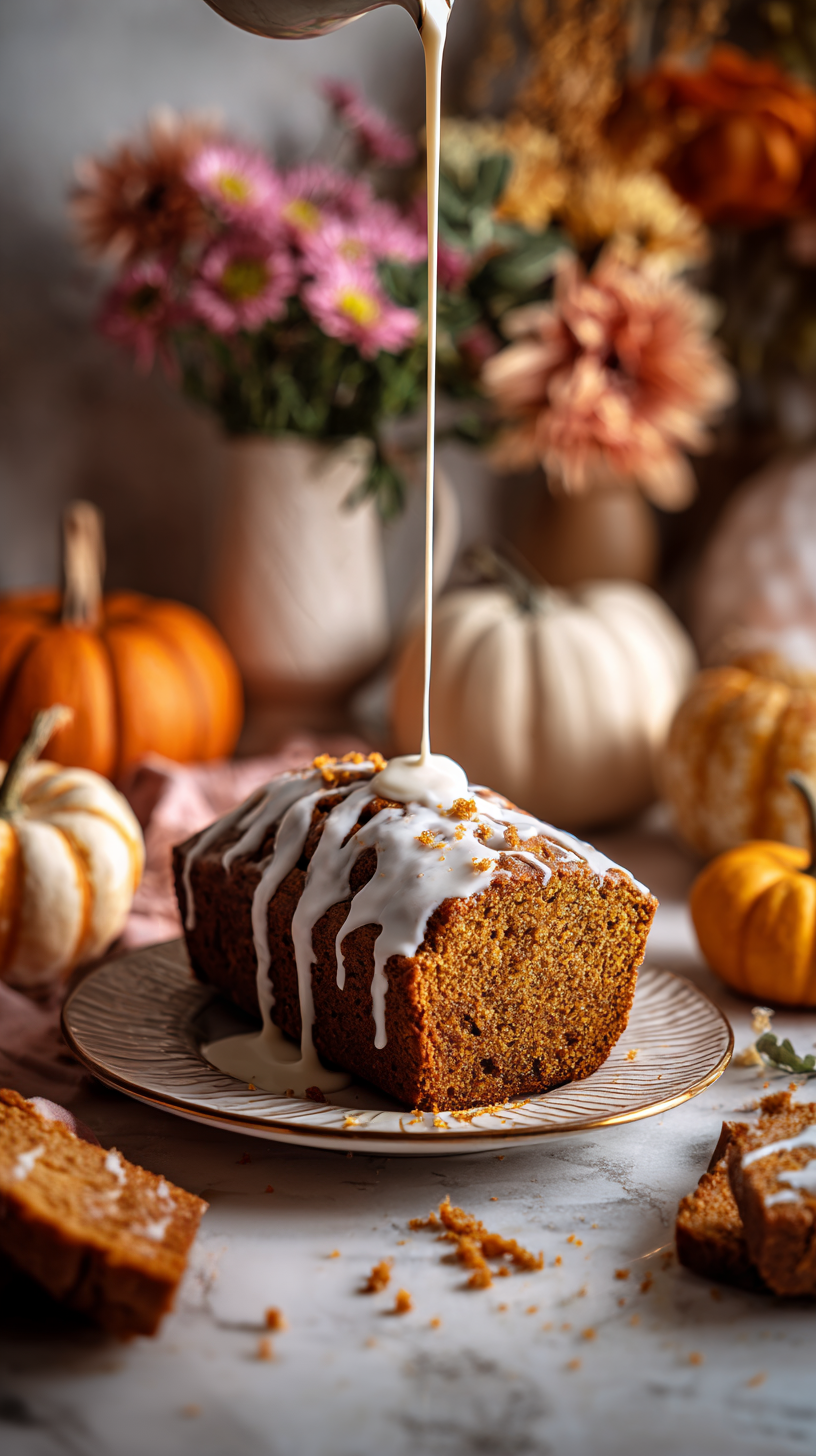
Serve plain, dusted with powdered sugar, or topped with a simple vanilla or maple glaze for an extra bakery-style finish.
Why You’ll Love It
This moist pumpkin bread is more than a recipe; it’s a ritual. A warm, forgiving loaf that fills your kitchen with the scent of the season and reminds you that gentleness still exists in small things. Bake it when you need a pause, a soft moment, or a reason to remember what home feels like.
FAQ
Can I use fresh pumpkin instead of canned?
Yes. Fresh pumpkin purée works beautifully as long as it’s thick and not watery. Roast your pumpkin first, then mash or blend it and strain off any excess liquid. The texture should be similar to canned, smooth, rich, and dense.
Why is my pumpkin bread dense instead of soft?
If your loaf turned out heavy, it’s usually from too much liquid or not enough mixing of air into the batter. Be sure to measure flour accurately and use thick purée. Mix until just combined, over-mixing deflates the air that gives the crumb its tender rise.
Can I make this recipe with whole-wheat or gluten-free flour?
You can. Whole-wheat flour makes the loaf slightly heartier and deeper in flavor; just use ¾ cup whole-wheat flour for every cup of all-purpose flour. For gluten-free baking, use a 1:1 baking blend that contains xanthan gum. Expect a slightly denser texture, but the flavor remains cozy and rich.
How long does moist pumpkin bread stay fresh?
Wrapped tightly in parchment or stored in an airtight container, it keeps at room temperature for up to 3 days or in the refrigerator for up to a week. For the best texture, let slices come to room temperature before serving; the crumb softens as it warms.
Can I freeze pumpkin bread?
Yes, it freezes beautifully. Once cooled, wrap individual slices or the whole loaf in plastic, then seal in a freezer bag. It will keep for up to 2 months. Thaw overnight in the fridge or warm slices in the oven for that fresh-baked texture.
What’s the secret to making it extra moist?
Oil, brown sugar, and patience. Oil locks in tenderness, brown sugar draws and holds moisture, and resting the loaf overnight lets the crumb settle into its plush texture. The flavor deepens, and each slice tastes even better the next day.
Can I add chocolate chips or nuts?
Of course. Mini chocolate chips, toasted pecans, or walnuts make lovely additions. Stir in about ¾ cup of mix-ins just before baking, enough to add texture without weighing down the crumb.
Should I glaze or leave it plain?
Either way works great. A light vanilla or maple glaze adds sweetness and shine, but the loaf is delicious on its own, soft, gently spiced, and fragrant. Sometimes the simplest version feels the most honest.
Can I taste the olive oil in the bread?
Only faintly, it adds richness and depth, not a strong flavor. The olive oil blends with the butter and pumpkin for a moist, tender texture with subtle warmth. If you prefer a milder taste, use a light or buttery olive oil.
What does the orange add to the recipe?
Fresh orange juice and zest lift the flavor, brighten the spice, and keep the loaf from tasting too heavy. You’ll notice a gentle citrus note, especially alongside the vanilla and molasses. It tastes like autumn sunlight, soft, sweet, and golden.
Do I have to use vanilla beans?
Not at all, though they make the loaf feel special. You can use 2 teaspoons of pure vanilla extract instead. If you’re using beans, scrape them directly into the wet ingredients; the little flecks bake into the crumb like confetti.
Can I skip the molasses?
You can, but even one tablespoon deepens the flavor beautifully. It adds caramel notes and enhances the pumpkin’s natural sweetness without making the loaf taste heavy.
How do I know when the bread is fully baked?
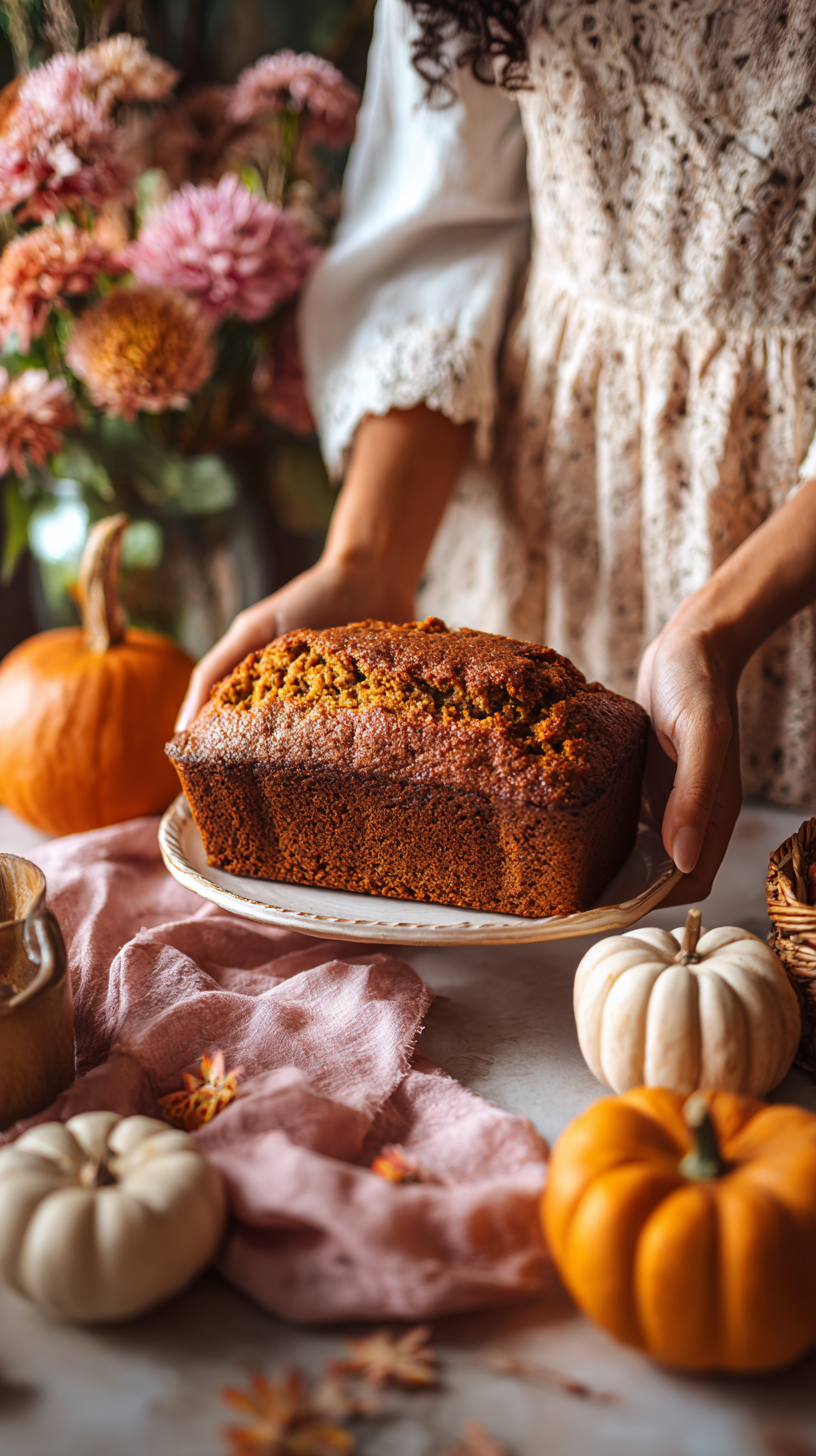
The top should be domed, golden brown, and just starting to crack. A tester inserted into the center should come out mostly clean, with a few moist crumbs being perfect. If it looks done but still feels heavy, leave it in for 5 more minutes; pumpkin bread needs a little patience to set in the center.

More From the Kitchen


Share Your Bake
If you try this recipe, we would love to hear how it turned out. Leave a comment below to share your bake or tell us what you’re making next. Your feedback helps other home bakers, too.

This blueberry and currant crumble pie brings together sweet summer fruit and cozy autumn spice in every bite. A tender cottage cheese crust holds the jammy filling beneath a golden crumble, baked until bubbling and fragrant. Simple, warm, and quietly perfect.