Vegan Orange Cardamom Einkorn Scones
Nine Cups of Flour, and Why
I have a son and a daughter who consider a scone with jam to be one of the great pleasures available to a person.
Not in a polite way. They eat them split and still warm, jam laid on thick enough that it slides off the edge and has to be caught, and they will negotiate over the last one on the cooling rack with real feeling. There is a running argument in this house about whether the jam or the cream goes first, conducted with the seriousness of people who have never been to England and have absolutely settled views about it.
So the batch is nine cups of flour. Half measures make half a tray, and then somebody counts what is left and decides not to take a second, and I did not want that happening at my table. Nine cups means nobody has to do arithmetic.
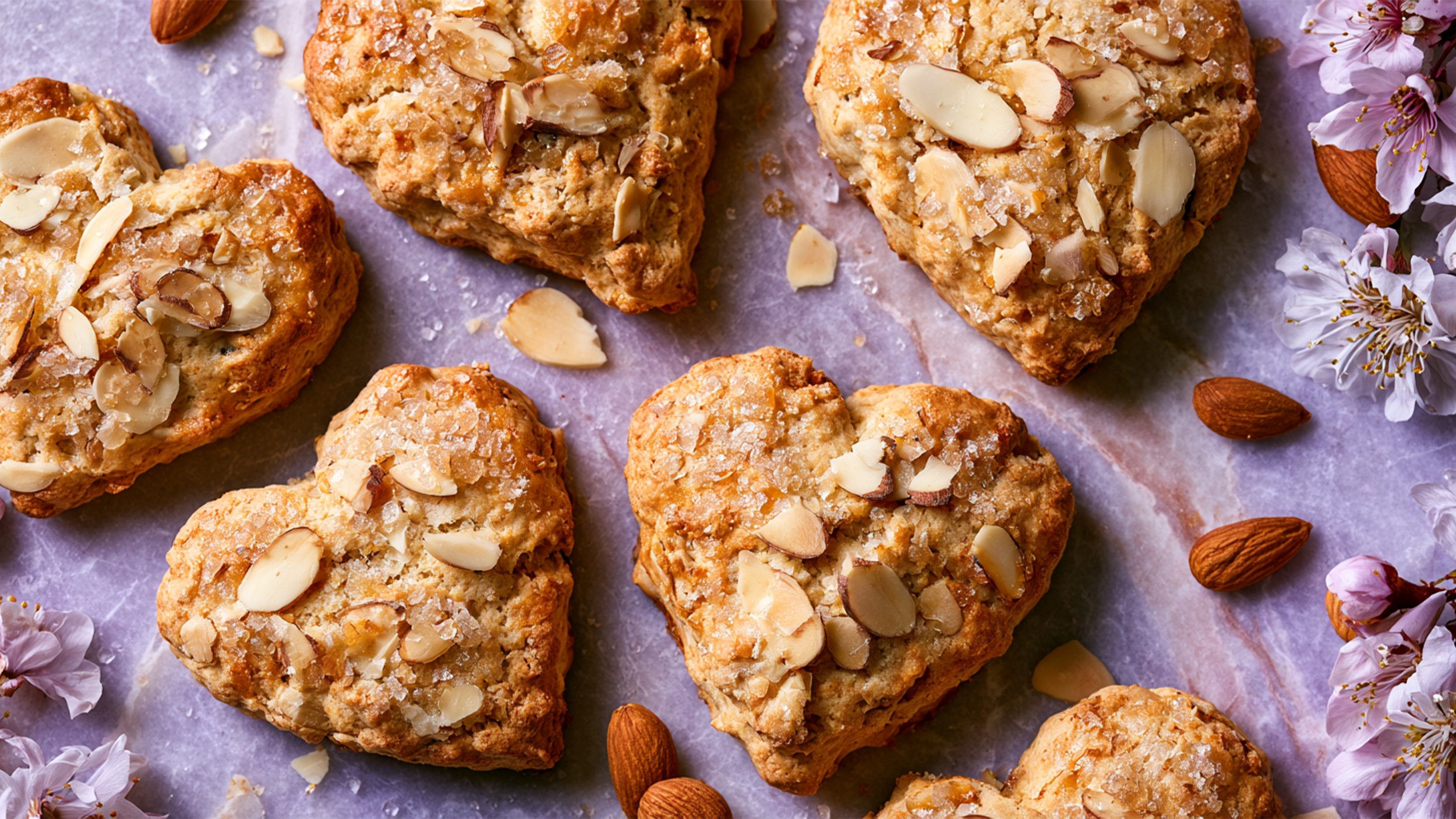
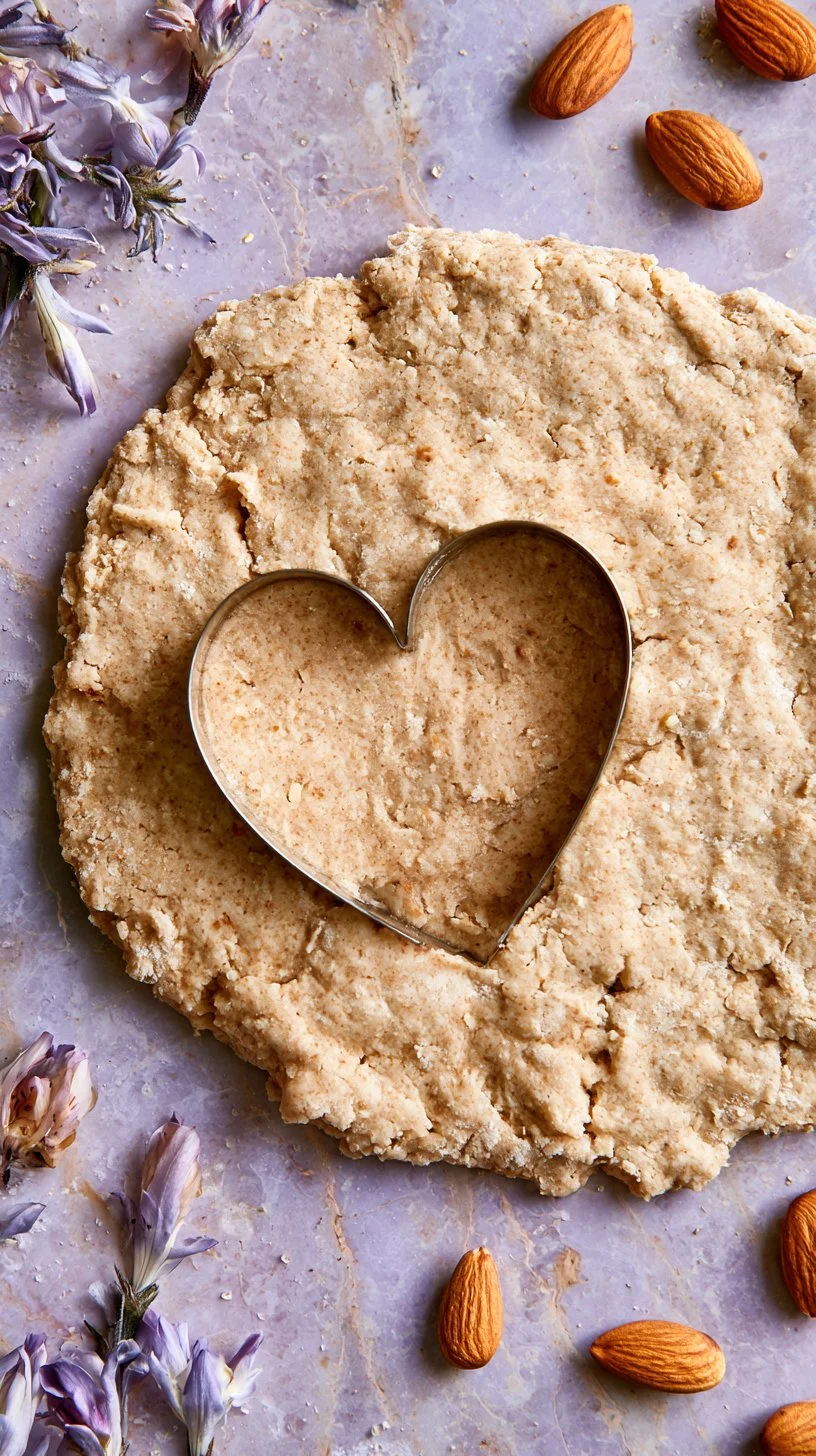
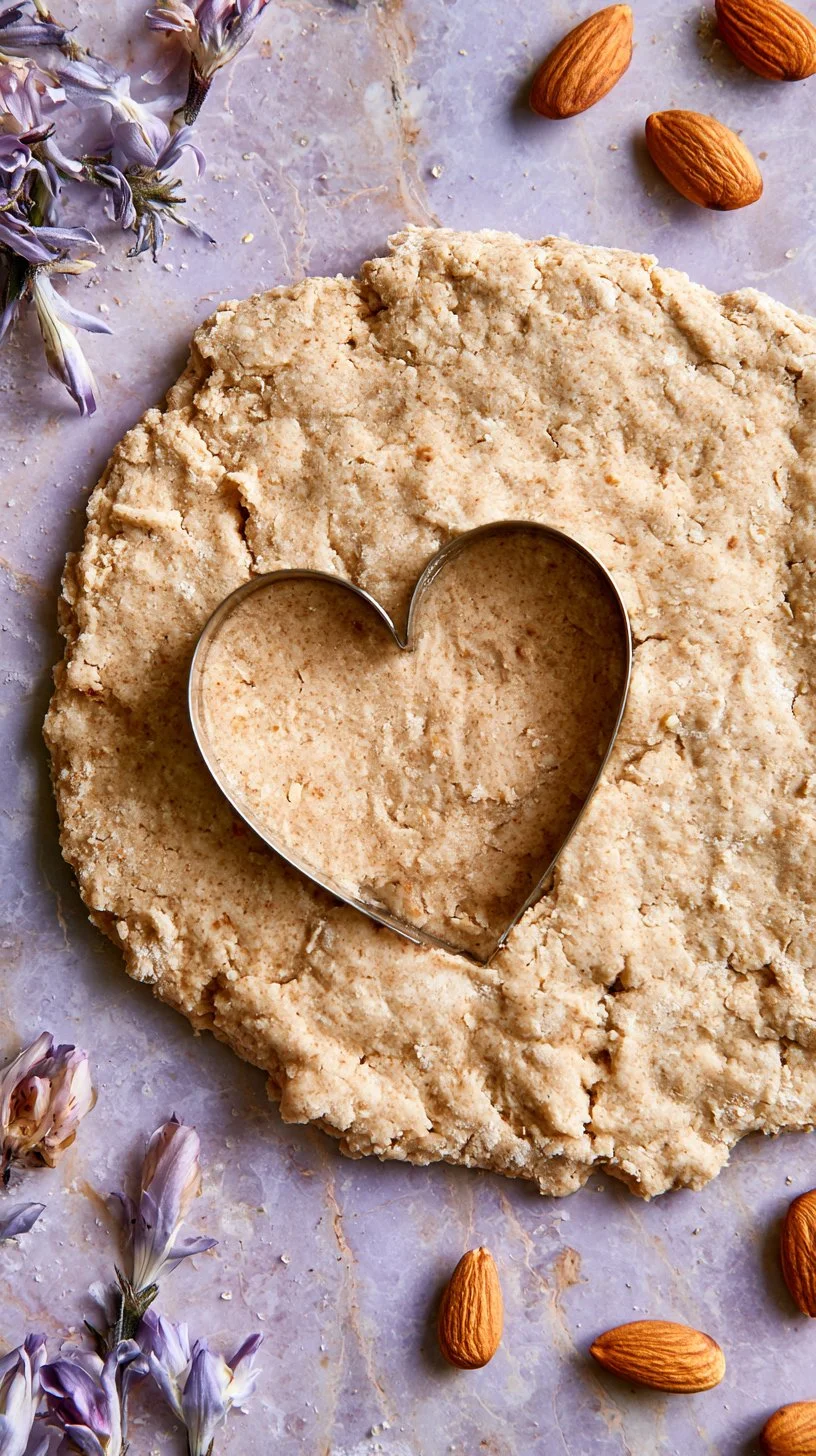
They help at the rolling stage, which means the shapes are not up to me. Stars, hearts, a dinosaur, a gingerbread man who loses his arms in the oven every time and gets eaten first out of mercy. The round fluted cutter makes the most scone-looking scone and has never once been chosen.
Five Hundred Years of a Small Conservative Object
A scone is not an English invention, whatever Devon and Cornwall have to say. It originated in Scotland, and it began as the bannock, a flat, quick bread of barley or oatmeal cooked on a griddle rather than in an oven, cut into quadrants called farls. The earliest written mention is 1513, in a poet's line, which means people have been eating these for five hundred years.
The name may be the best part. It is probably shortened from the Dutch schoon brood, fine bread, and schoon carries the sense of bright or beautiful, the same root that gives us sheen. Whoever named it was not describing a texture. They were describing how it looked coming off the stone.
The originals were larger and flatter, more disc than lump. Everything about the modern scone is a later addition. The oven, the wheat flour, the baking powder, the height, the currants, and the cream. It has been quietly revised for five centuries by people who thought they were making it properly.
I take a certain amount of comfort from that. The object I am about to put cardamom and orange in has been argued over, renamed, moved off the griddle, raised, sweetened, and shrunk. Nobody has left it alone yet.
Cardamom Where the Currants Used to Be
A full tablespoon, which sounds like a great deal until you remember there are nine cups of flour in the bowl.
Cardamom is floral and cool and faintly resinous, almost citrus before you have added any citrus at all. A scone is warm and plain and buttery. The two of them want each other, and the first time I made these, I stood in the kitchen slightly annoyed that it had taken me this long to try.
The orange is zest only, three Valencias, which are sweeter and rounder than a navel, and worth looking for in season. Three vanilla beans scraped straight into the flour, seeds and all. Vanilla and cardamom together taste more expensive than either of them does alone.
The einkorn is a habit rather than a decision. I put it into whatever I can get away with, porridge and pancakes and pie crust and the crumble on top of fruit, because I like what it does nutritionally next to modern wheat, and I like that nobody has spent a century breeding the character out of it. What I did not expect is that my children can apparently tell. Anything with einkorn in it goes faster than the same thing without. They have never been told it is in there. They just eat more.
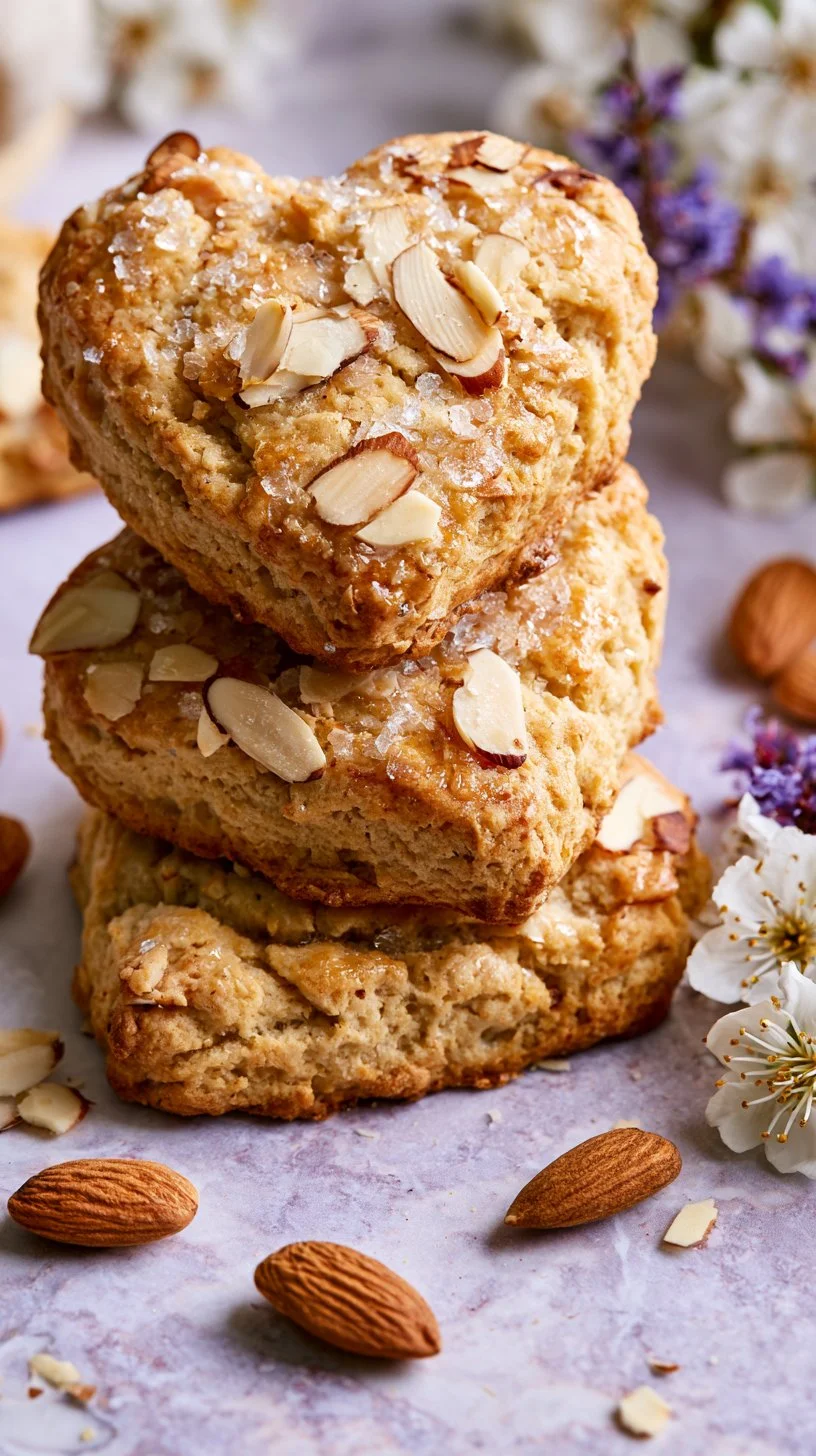
Cold Butter, Cold Dough, Hot Oven
Everything about a scone is temperature.
The butter goes in cold and chopped small, the dough is mixed only until there are no dry patches left, and the cut scones go into the refrigerator for at least half an hour before they see the oven. That last step is the one people skip, and then they wonder why theirs spread sideways instead of climbing.
Cold dough into a hot oven is the whole mechanism. The butter is still solid when the heat hits it, so it turns to steam inside the dough instead of leaking out of it, and the steam pushes the layers up. Warm dough gives you a flat, sweet biscuit that will taste perfectly nice and will not look like a scone.
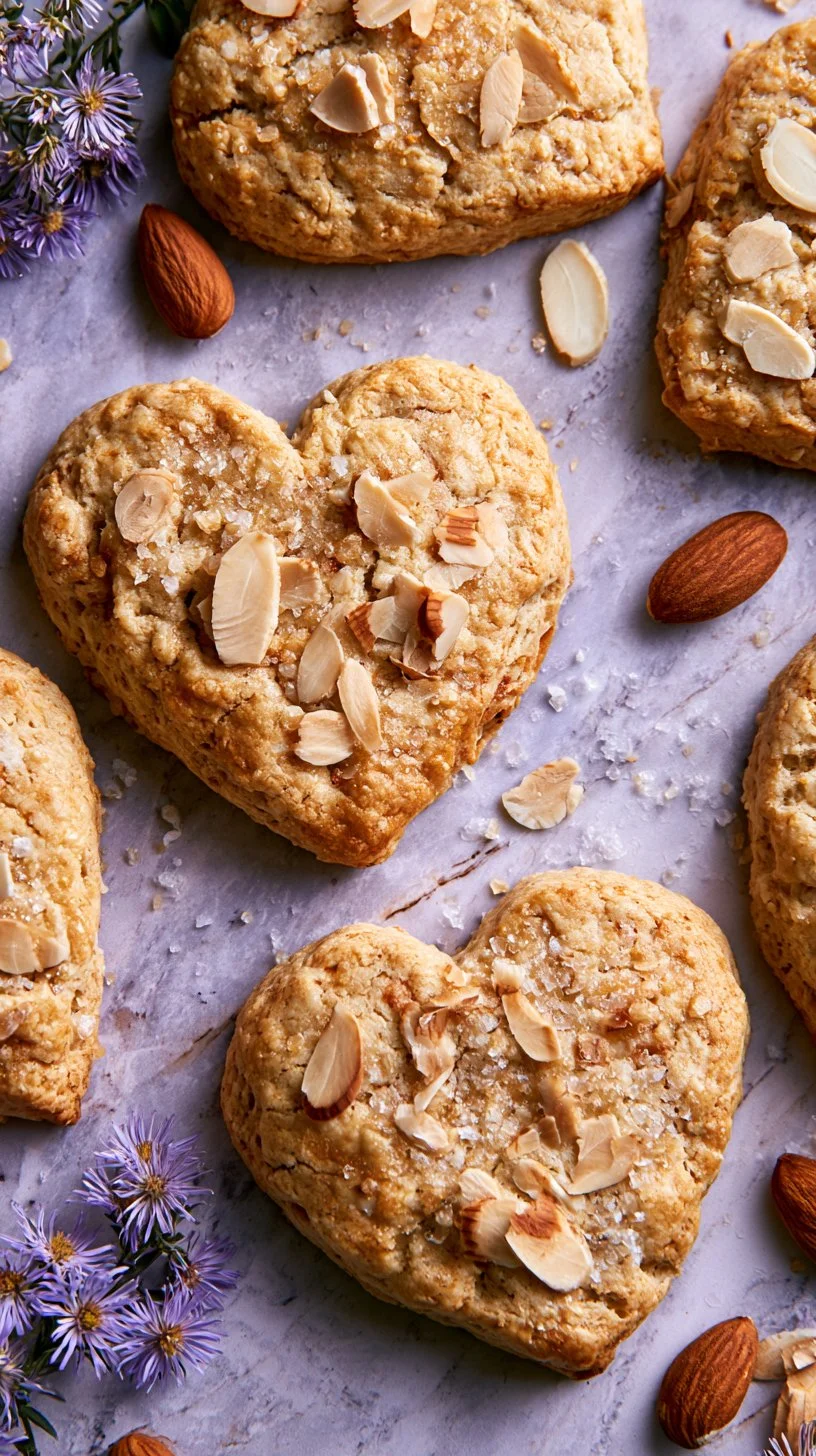
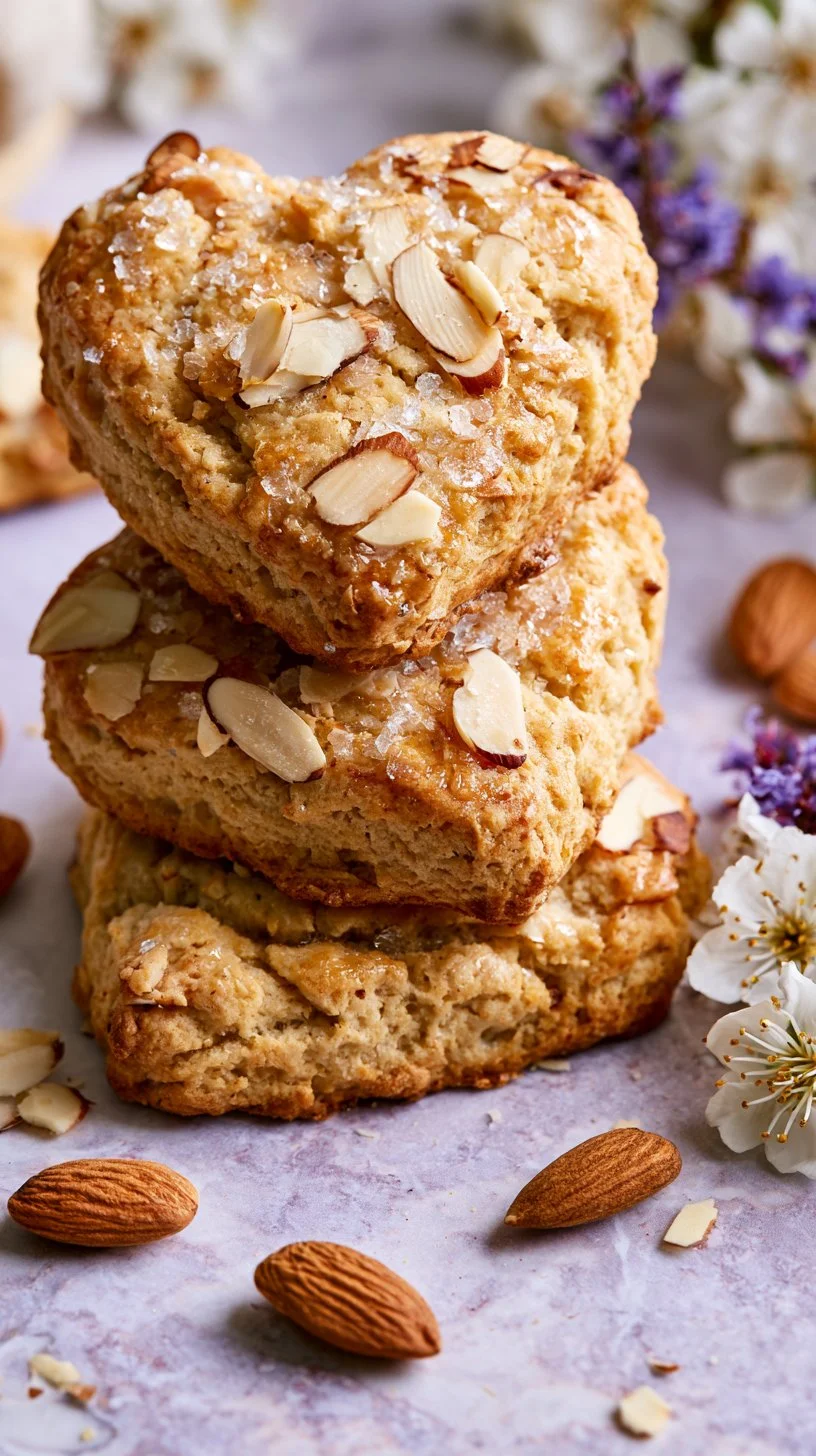
What comes out is tall, deep gold on top from the maple glaze, crisp where the demerara and the almonds have caught, and light and properly fluffy inside. Five hundred years of revision, and it turns out there was still room for one more.
Cream First, and Other Arguments
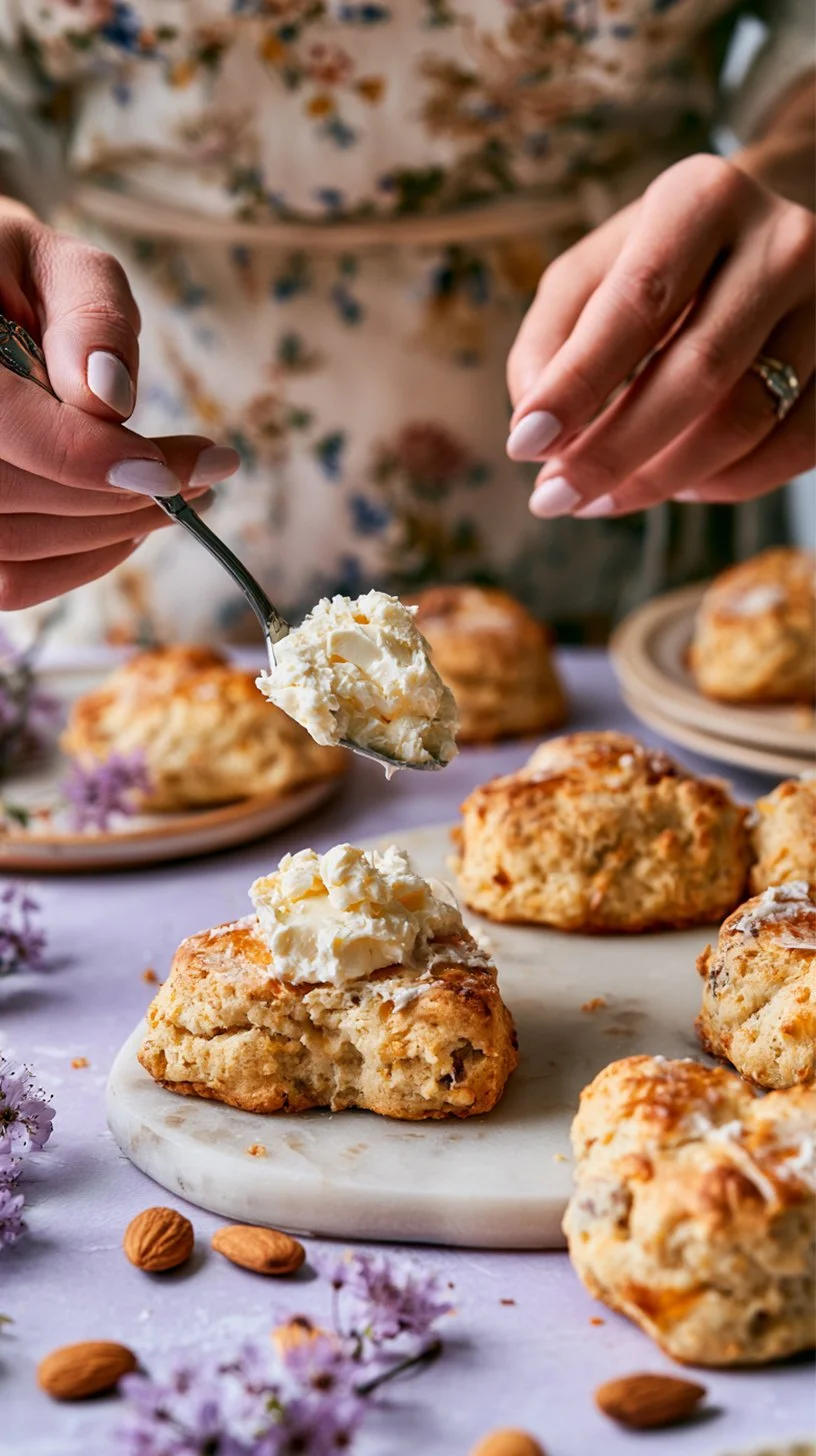
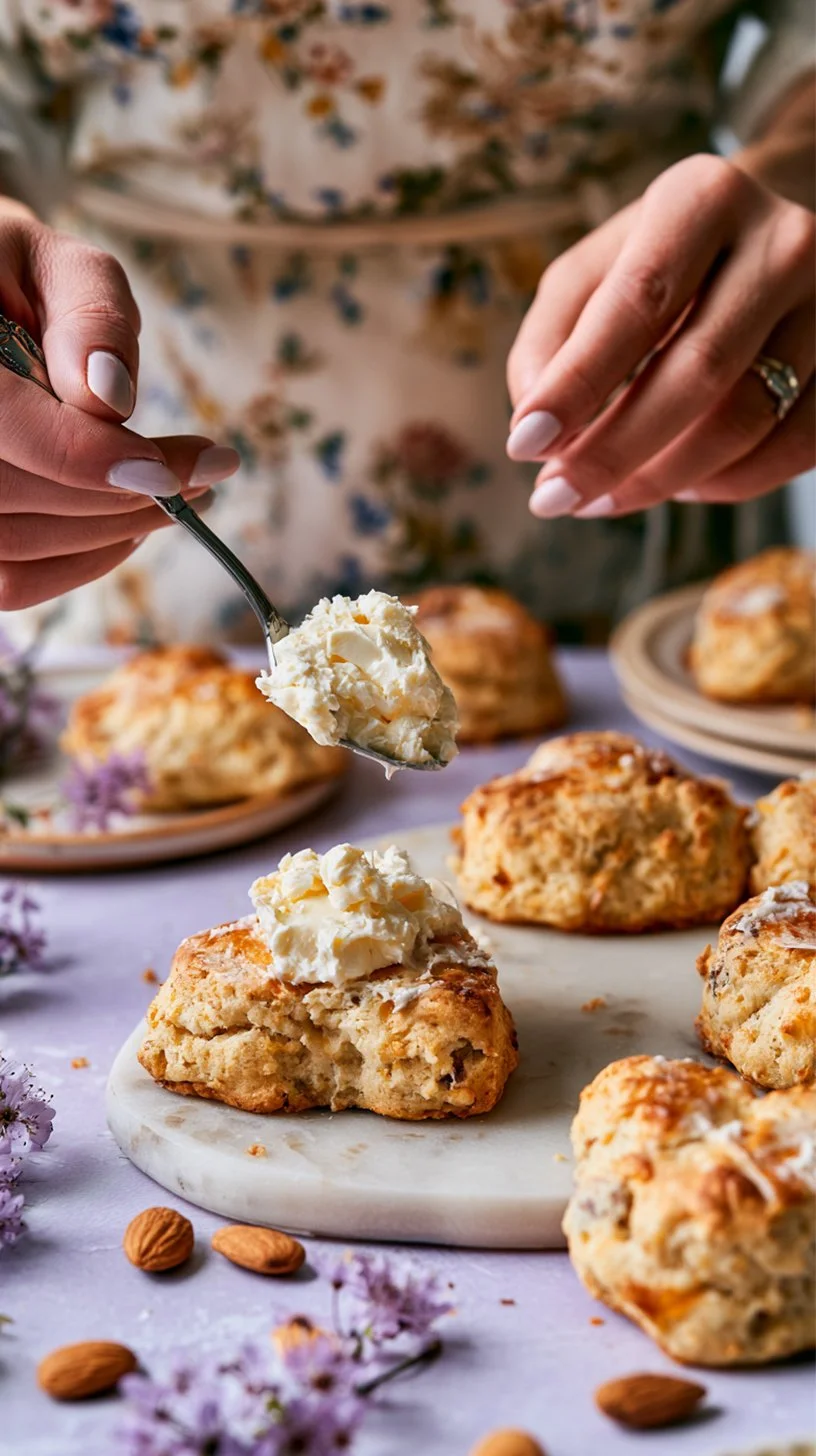
Serve them with jam and vegan clotted cream, and let the table sort out the order for themselves. I am not refereeing that here, partly because the argument is the point and partly because I have two children who would appeal the ruling.
They had plain ones somewhere else recently and came home to report, with some concern, that they were fine but that something was missing. Neither of them could name it.
I did not tell them. Let them work it out, the way everyone else has for five hundred years.
Vegan Orange Cardamom Einkorn Scones Recipe
Yield: 12 large scones or 24 small
Prep Time: 20 minutes
Chill Time: 30 minutes
Bake Time: 18 to 20 minutes for large scones, less for small
Total Time: about 1 hour 15 minutes
Calories: 515 per large scone
SCONE DOUGH
Ingredients
5 cups bread flour
4 cups einkorn flour
Zest of 3 Valencia oranges
3 vanilla beans, scraped
1 tbsp ground cardamom
4 tbsp baking powder
5 tbsp caster sugar
½ tsp fine sea salt
1 cup cold vegan butter, chopped into small pieces
2⅔ cups plant based milk
Instructions
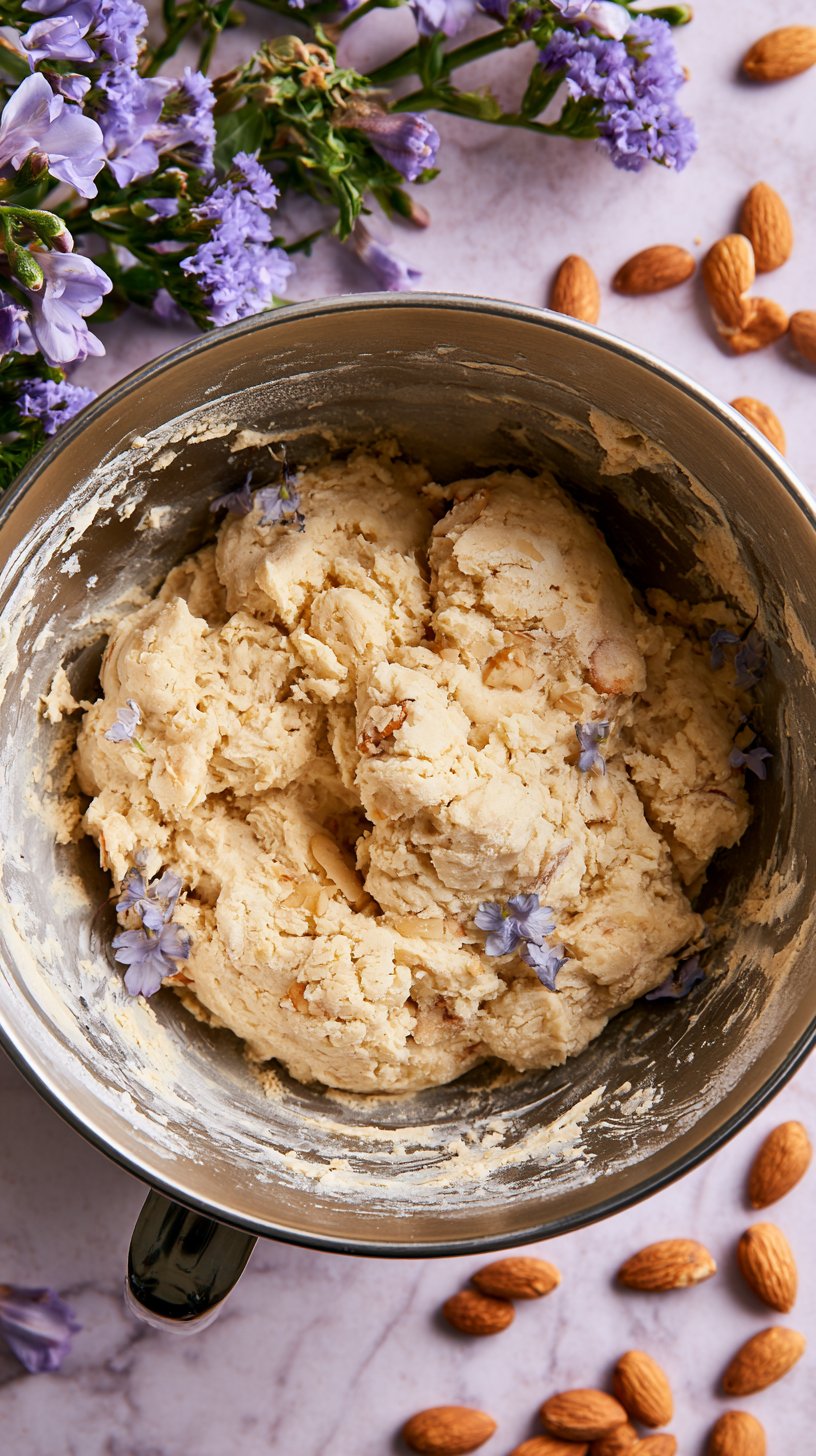
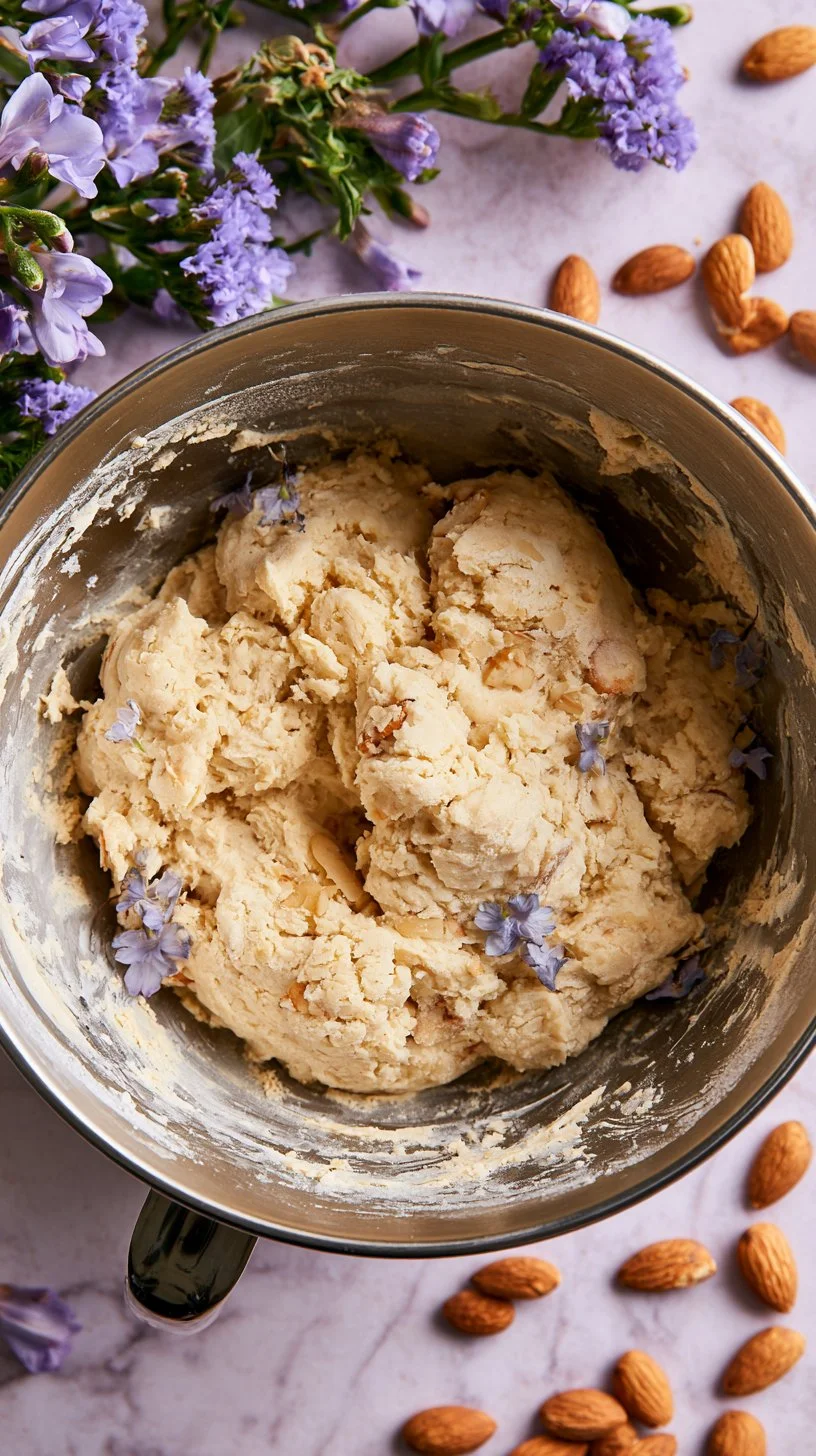
Mix the dough: Put all of the scone ingredients into a stand mixer, with the butter chopped into small pieces. Mix until a smooth dough forms and no dry bits remain, about 5 minutes.
Roll and cut: Turn the dough out onto a floured surface and roll to about ½ inch thick. Cut out using whichever cookie or biscuit cutter you like. The final number will depend on the size and shape of your cutter, so expect anywhere from 12 large scones to 24 small ones.
GLAZE AND TOPPING
Ingredients
2 tbsp plant-based milk
1 tsp maple syrup
Slivered almonds, to sprinkle
Demerara or coarse sugar, to sprinkle
Instructions
Glaze and top: Stir the plant-based milk and maple syrup together. Brush over the tops of the cut scones, then sprinkle generously with slivered almonds and sugar.
CHILL AND BAKE
Instructions
Chill: Refrigerate the glazed scones for at least 30 minutes. Do not skip this. Cold dough is what makes them rise tall instead of spreading.
Bake: Bake at 425 °F (218 °C) until risen and deep golden on top. Large scones take 18 to 20 minutes. Smaller ones and cut-out shapes bake faster, so start checking at 12 to 14 minutes.
Serve: Serve warm with jam and vegan clotted cream.
Baker’s Notes
Einkorn has little gluten, and what it has is fragile, which is why it is paired with bread flour rather than used alone. All einkorn scones taste wonderful and fall apart the moment you split them.
Valencia oranges are sweeter and less bitter than navels, and their zest carries better through a bake. Any orange works, but Valencias are worth looking for in season.
Mix until the dough is smooth and there are no dry patches left, and no further. With a batch this size that takes around 5 minutes, but go by the look of the dough rather than the clock.
Chill is not optional. Cold butter turns to steam inside the dough and pushes the layers up. Warm dough spreads sideways and gives you a flat, sweet biscuit.
Use block or stick vegan butter, not tub spread. Tub spread carries too much water and the scones will not rise properly. I used Miyoko unsalted vegan butter.
Cardamom loses its perfume quickly once ground. If you have whole green pods, crush them and grind the seeds the morning you bake.
A tablespoon of cardamom looks alarming in a bowl and lands as balanced across nine cups of flour. Do not reduce it.
Four tablespoons of baking powder is not a typo. Nine cups of flour, no eggs, and a low gluten ancient wheat all need more lift than a standard scone does, and this is the amount that gets them tall. Reduce it and they will come out flat.
The inside should be light and fluffy, not dense. If yours come out close-textured, the usual causes are dough that went into the oven warm or an oven running below temperature.
Bake time depends on the size of your scone. I made large ones, which took 18 to 20 minutes. Small scones and cut-out shapes can be done in as little as 12 to 14, so go by deep golden color and a risen, set top rather than by the clock.
Any cutter works, so this is a good recipe to make with children. Thin points and narrow limbs bake faster than the body of the shape, so check early if you have let someone loose with the gingerbread man.
The dough freezes well. Cut, glaze, and freeze on a tray, then bake from frozen with an extra 3 to 4 minutes.
Scones are best the day they are made, and fresh out of the oven, but by day two, the flavors intensify and are even better.
Why You’ll Love It
These vegan einkorn scones are tall and golden with a light, fluffy inside, and an ancient wheat flavor you cannot get from all-purpose flour. Cardamom, orange zest, and real vanilla bean run all the way through, and the maple glaze bakes the slivered almonds and demerara sugar into a crisp, sweet top. No eggs, no dairy, and nobody at the table will notice unless you tell them.
FAQ
Can I use all einkorn flour?
You can, but they will be delicate to the point of crumbling when you split them. Einkorn has very little gluten and what it has is weak, so the bread flour is doing structural work here. If you want to push the einkorn ratio higher, try 6 cups einkorn to 3 cups bread flour and expect a more fragile scone.
What plant-based milk works best?
Oat, for its body. Soy also works. Almond and rice are thin and give a slightly drier crumb. I use my homemade nut milk, which is thicker than store-bought.
Why do my scones spread instead of rising?
Almost always warm dough. The butter melts before the oven heat can set the outside, so the scone flows outward instead of upward. Chill the cut scones for the full 30 minutes, and longer on a hot day.
Can I make the dough ahead?
Yes. Cut and glaze the scones, freeze them flat on a tray, then transfer to a bag. Bake from frozen at the same temperature, adding 3 to 4 minutes.
Do I have to use a stand mixer?
No, but it is the easy route with a batch this size. By hand, rub the cold butter into the dry ingredients with your fingertips, then add the milk and bring it together with the palm of your hands or a spatula, working quickly so the butter stays cold.

More From the Kitchen


Share Your Bake
If you try this recipe, we would love to hear how it turned out. Leave a comment below to share your bake or tell us what you’re making next. Your feedback helps other home bakers, too.

This blueberry and currant crumble pie brings together sweet summer fruit and cozy autumn spice in every bite. A tender cottage cheese crust holds the jammy filling beneath a golden crumble, baked until bubbling and fragrant. Simple, warm, and quietly perfect.