English Currant Cream Scones
The Shape of Morning
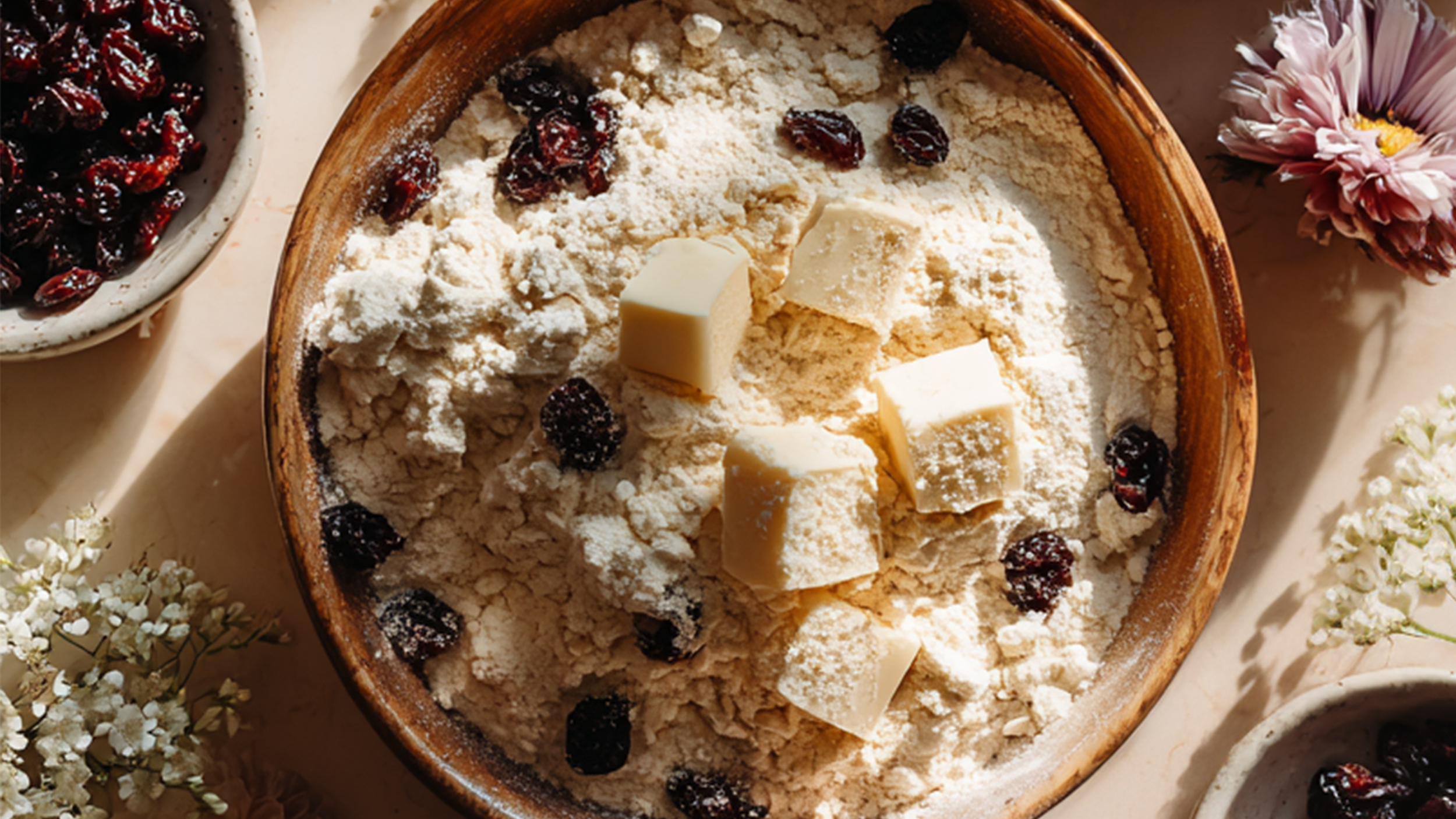
This English Currant Cream Scones recipe begins the way all gentle mornings should, with flour scattered like first snow and the soft scrape of a spoon against a mixing bowl. The air feels slow, as if time itself has decided to linger. Butter meets flour in a quiet crumble, cream folds through like kindness, and for a moment, everything around me pauses to listen.
There’s something grounding about beginning the day this way, hands in the bowl, light barely touching the counter. Baking invites stillness but never emptiness; it fills the air with purpose. I’ve learned that the first step of any recipe worth keeping is less about precision and more about peace, the steady motion of making something warm with your own hands.
By the time the dough comes together, soft and speckled with currants, the kitchen feels changed. The day has taken shape, and so have I, steadier, calmer, ready for what comes next.
Currants and Candlelight
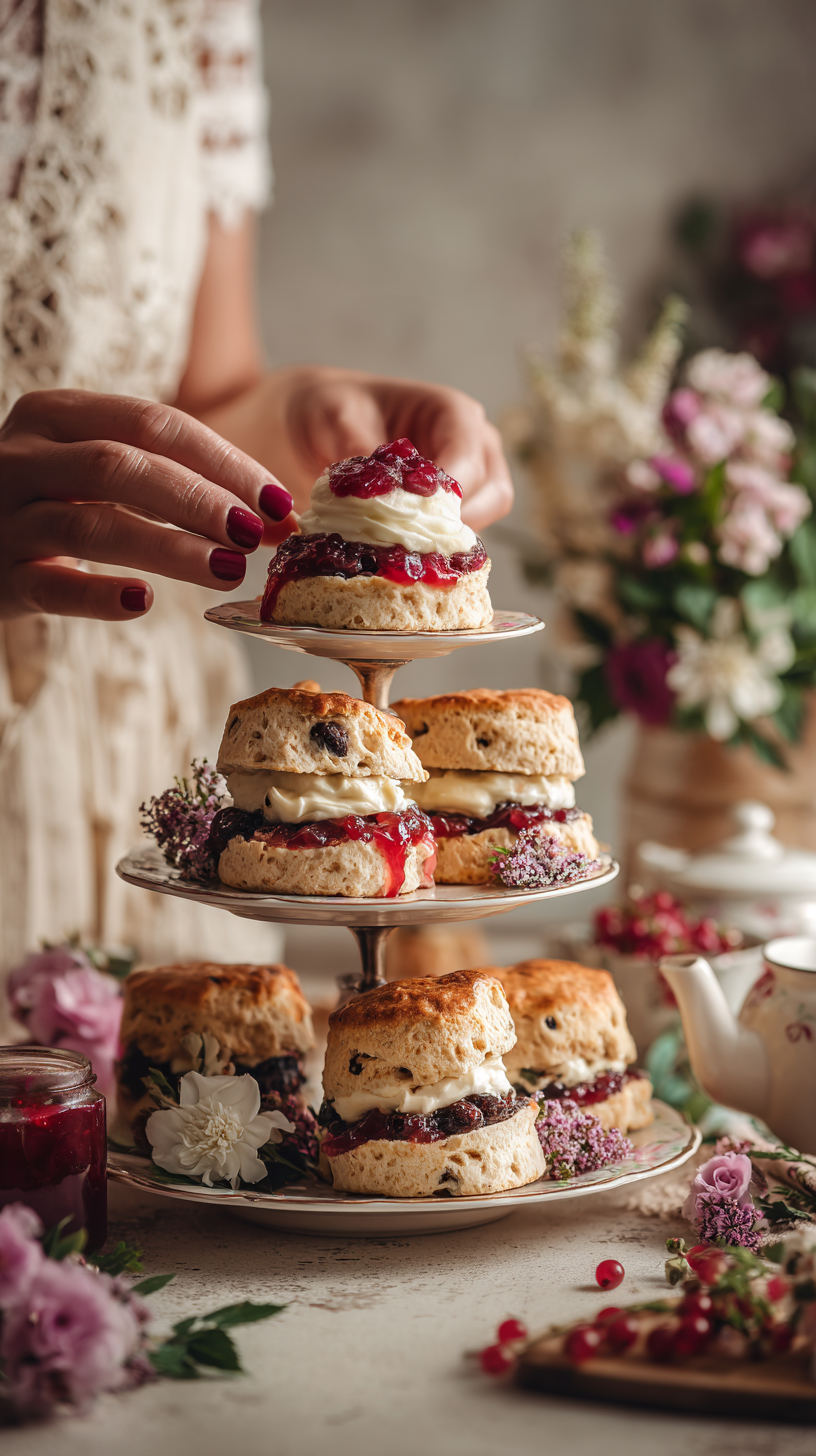
Currants have always held a sort of quiet magic. They’re not bright or showy, but patient, small bursts of sweetness that seem to remember colder days. When they bake, they soften into something rich and fragrant, filling the kitchen with a scent that feels like homecoming and holiday all at once.
I think of them as winter fruit, meant for winter kitchens and moments that ask for gentleness. Their dark sweetness mingles with orange zest and vanilla, a trio that feels almost ceremonial. Each time I stir them in, I think of frost on windowpanes and the soft crackle of candlelight in rooms where tea is poured slowly and conversation is never rushed.
It’s not just flavor but feeling; a reminder that small things can carry whole seasons within them. Currants bring the hush of winter evenings, the faint hum of warmth, the unspoken promise that sweetness always finds its way back.
A Season Inside
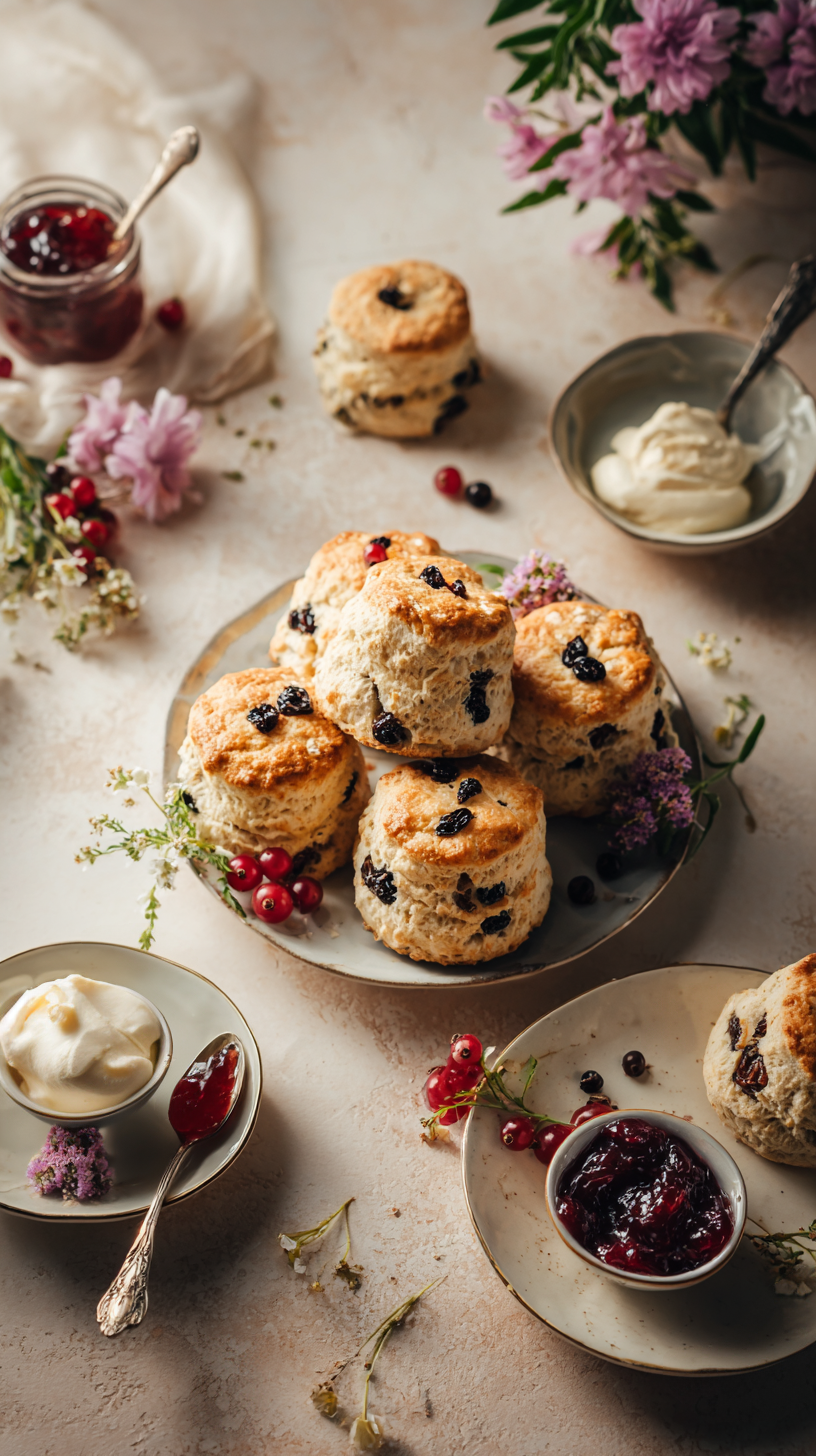
The scent of these scones as they bake could easily be mistaken for memory. Butter and cream rise into the air, the citrus blooming into something golden and nostalgic. It’s a fragrance that turns walls into comfort, one that makes the house feel older in the best way, lived-in, loved, quietly proud of its own history.
There’s a rhythm to the oven’s hum, a sort of lullaby for the senses. I find myself standing by the window, watching the sky brighten while the currants bubble just beneath their surface. It feels like the kitchen is breathing again, filled with the sound of soft things becoming whole.
When I open the door, the rush of heat feels like the heart of winter itself, bright, tender, fleeting. I’ve never once baked these scones without feeling that warmth reach something deeper than hunger.

Tea on a Cold Day
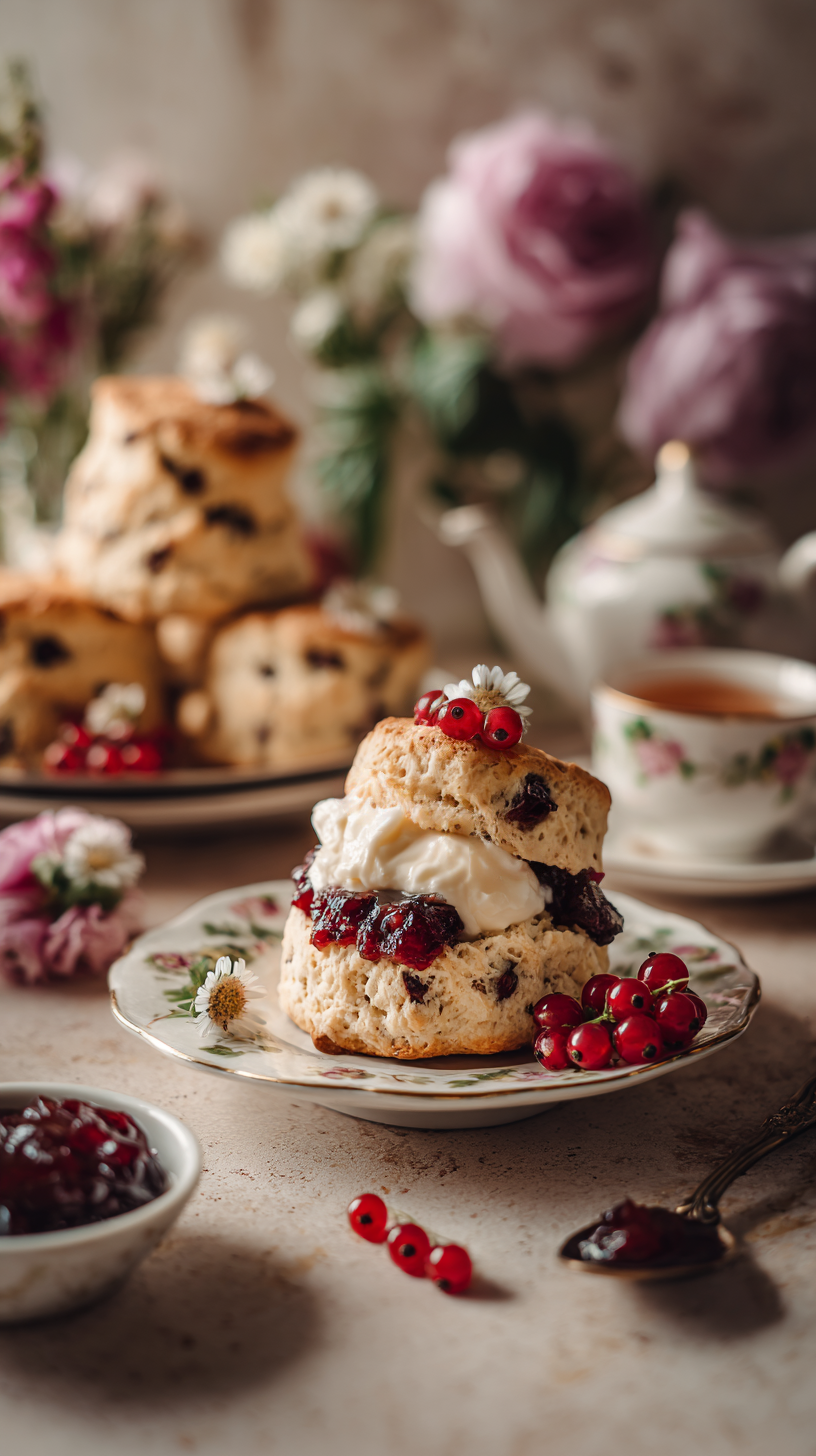
I always make tea while the scones rest, the kind that tastes faintly of earth and honey. The cup warms my hands as the steam curls toward the ceiling. It’s not a ceremony, just instinct, a pause between the making and the enjoying. The world outside might still be gray, but here, the table glows with small blessings: sugar sparkling on top, butter softening at the edge, a jar of jam waiting patiently to be opened.
I eat the first scone still warm, split open to reveal a crumb as soft as snow. The currants glisten like ink, the spice whispering of Christmas and old wooden tables and songs that never needed to rhyme. It’s remarkable how food can hold entire stories in silence.
There’s no rush to it, no grand gesture, no performance. Just tea, warmth, and something deeply human about breaking bread with the day itself.
What Remains
When the tray is empty and the light has shifted toward afternoon, the house still smells of butter and sugar and time well spent. I tuck the last scone into a linen cloth, knowing someone will wander by and find it later, unaware they’re reaching for memory.
This English Currant Cream Scones recipe isn’t only about baking, it’s about belonging. It carries the quiet traditions of old kitchens and winter mornings, of hands that worked without hurry, of sweetness meant to be shared. Every time I make them, I feel that same soft tether between what was and what is, stitched together with sugar, spice, and care.
And when the air finally cools again, and the day grows still, this is how warmth endures. Not through grand moments, but through small ones you can taste.

English Currant Cream Scones Recipe
Yield: 8-10 scones
Prep Time: 15 minutes
Chill Time: 10-15 minutes
Bake Time: 19-22 minutes
Cool Time: 25-30 minutes
Total Time: about 1 hour and 5 minutes
Calories: 350-440 per scone (based on size)
Ingredients
3 cups all-purpose flour
5 tablespoons granulated sugar
1 Tbsp baking powder
¾ tsp sea salt
6 Tbsp cold unsalted butter, cubed
¾ cup dried currants
1 cup + 1 tablespoon cold heavy cream, plus more for brushing tops
1 large egg
2 vanilla beans, seeds scraped
¼ tsp ground nutmeg
¼ tsp ground cardamom
¼ tsp ground cinnamon
Finely grated zest of 1 orange
Raw sugar, for sprinkling tops
Instructions
Prepare the oven and tray: Preheat to 400°F (204°C). Line a baking sheet with parchment paper and chill it in the fridge; a cold tray helps the scones rise tall.
Mix the dry base: In a large bowl, whisk together the flour, sugar, baking powder, salt, spices, and orange zest until evenly distributed.
Cut in the butter: Add the cold butter cubes. Using your fingertips or a pastry cutter, rub the butter into the flour until it resembles coarse breadcrumbs, with some pea-sized bits remaining.
Add dried currants: Toss them in and stir lightly to coat them in flour; this helps them from sinking.
Mix the wet ingredients: In a small jug, whisk together the cream, egg, and vanilla bean seeds.
Bring the dough together: Make a well in the dry mixture and pour in the wet. Stir gently with a fork until a shaggy dough forms; it should be soft, not dry, but never over-mixed. Add an extra teaspoon of cream only if needed to gather the dough.
Shape and cut: Tip the dough onto a lightly floured surface. Pat it gently into a 1½-inch (4 cm) thick round. Using a 2½–2¾-inch round cutter, press straight down (don’t twist) to cut 8–10 scones. Gather the scraps once, then cut the rest.
Chill before baking: Place the cut scones on the chilled tray and freeze for 10–15 minutes. This helps preserve their height and layers.
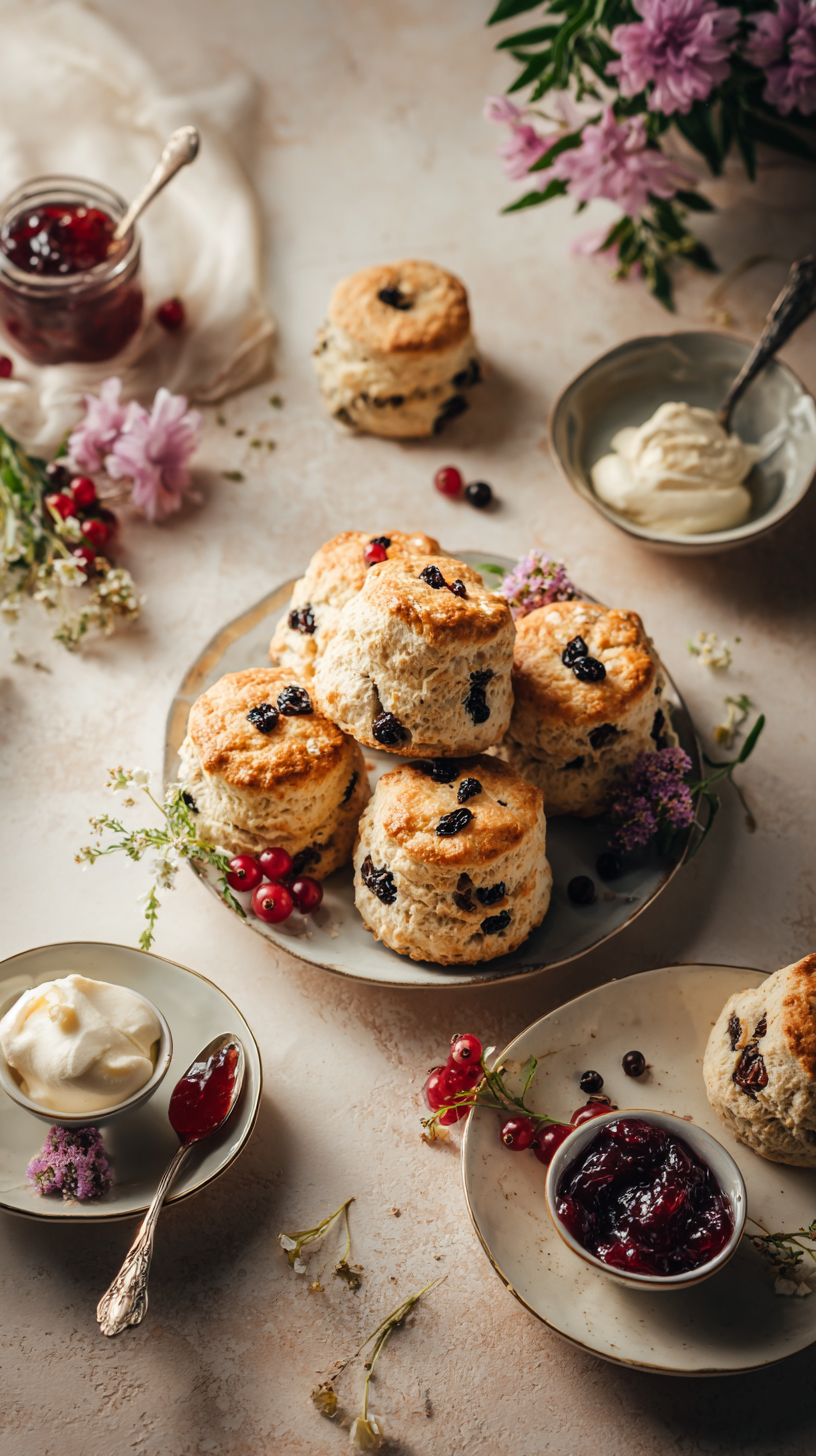
Brush and bake: Brush the tops with a bit of cream (avoid the sides) and sprinkle with raw sugar. Bake for 18-22 minutes, or until golden and split proudly down the center.
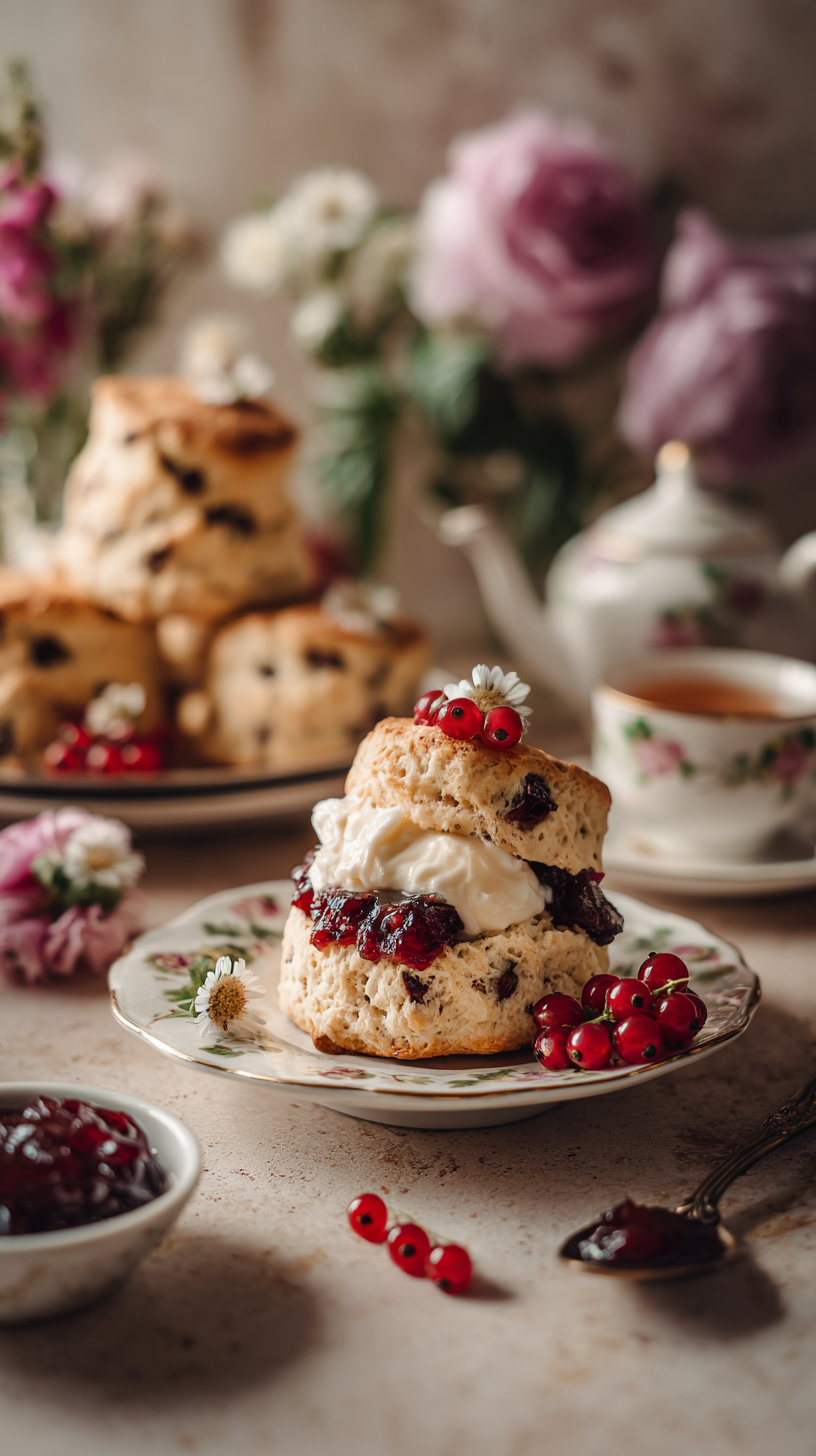
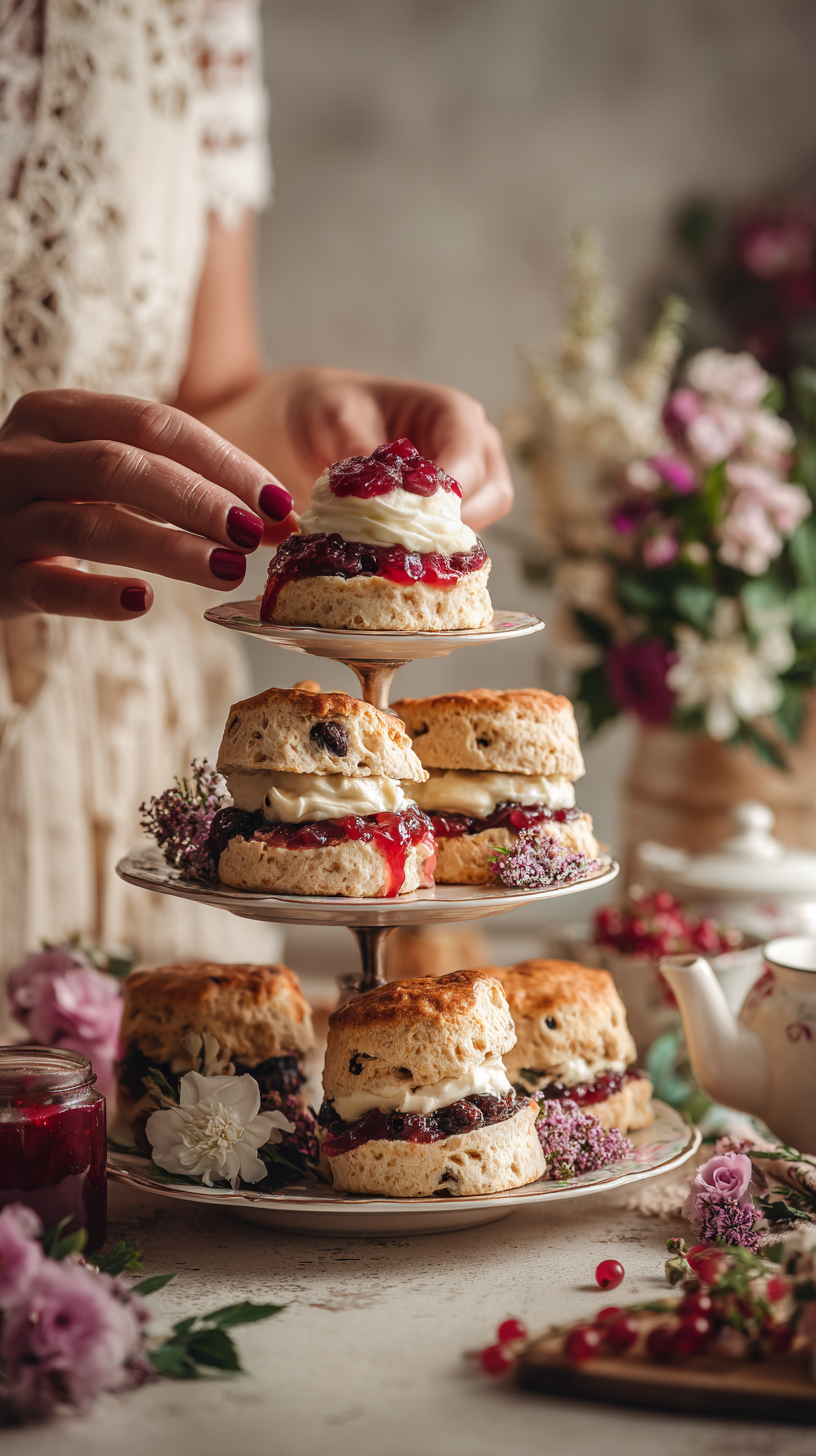
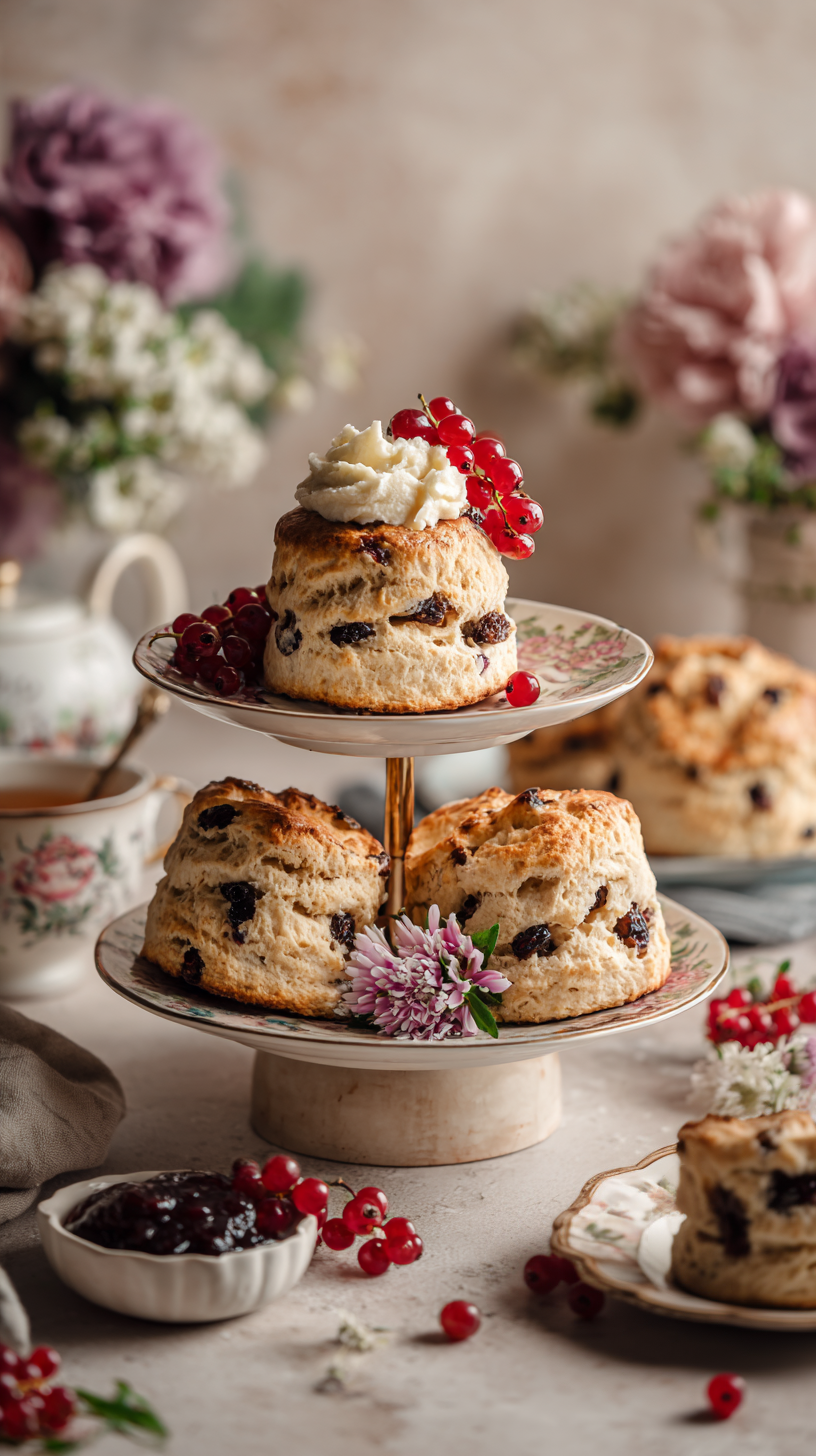
Cool and serve: Let rest a few minutes before serving warm with clotted cream and jam.
Baker’s Notes
Keep your butter, cream, and egg cold right up to mixing. The contrast between cold dough and a hot oven is what makes British scones rise tall with those beautiful split sides.
Pat your dough 1½ inches thick, not thinner. Most home bakers roll scone dough too flat, so it can’t rise.
Always press your cutter straight down. Twisting seals the edges and prevents that signature high rise.
A quick 10–15 minutes in the freezer after shaping helps the butter stay solid, resulting in higher lift and a flakier crumb.
If time allows, soak the currants in warm orange juice or black tea for 10 minutes, then pat dry. It plumps the fruit and infuses a gentle aroma.
Serve fresh from the oven with clotted cream, strawberry jam, or orange marmalade. Scones are best eaten the day they’re baked.
Why You’ll Love Them
These scones rise high and golden, with the tender crumb and gentle sweetness that belong beside a pot of tea. The currants add a quiet tang, the orange zest brings brightness, and the vanilla bean gives a buttery perfume that lingers long after the last bite. They taste like home: soft, warm, and steeped in something timeless.
FAQ
How do I make scones rise tall like British tearoom scones?
For tall, fluffy scones, keep all ingredients cold and avoid overmixing. Pat the dough at least 1½ inches thick, cut cleanly without twisting, and bake at 400°F (204°C) for a strong initial lift.
Can I use raisins instead of currants in cream scones?
Yes. Substitute ¾ cup chopped raisins, golden raisins, cranberries, or even chopped chocolate for currants, but currants are smaller and more traditional for British scones. They distribute better and keep the crumb light.
What does “sweet cream scone” mean?
A sweet cream scone uses heavy cream instead of milk or buttermilk, giving it a richer flavor and softer, tender texture. It’s the hallmark of British-style cream teas.
Can I add other flavors or spices?
Absolutely. Try a touch of lemon zest or shredded coconut, or make them savory with cheese, herbs, and olives. These pair beautifully with currants without overpowering the delicate cream base.
Can I freeze scones before baking?
Yes, freeze unbaked scones on a tray until firm, then store in a sealed bag for up to 2 months. Bake straight from frozen, adding 2–3 minutes to the bake time.
What’s the best way to reheat scones?
Warm baked scones at 300°F (150°C) for 8–10 minutes until just soft and fragrant. Avoid microwaving, as it makes them chewy rather than tender.

More From the Kitchen


Share Your Bake
If you try this recipe, we would love to hear how it turned out. Leave a comment below to share your bake or tell us what you’re making next. Your feedback helps other home bakers, too.

This blueberry and currant crumble pie brings together sweet summer fruit and cozy autumn spice in every bite. A tender cottage cheese crust holds the jammy filling beneath a golden crumble, baked until bubbling and fragrant. Simple, warm, and quietly perfect.